
In our life journey, how we treat others and the qualities we possess hold significant importance. As we discussed last week, the ancient Greeks viewed education as a holistic means to personal growth and positive contributions to society. Consider these qualities as a compass guiding us through life. I’ll closely examine this compass, particularly the positive aspects that attract people. It’s like a key to leading a truly fulfilling and successful life. So, let’s delve into the enchantment of being good, understanding its importance, and exploring how it can make our lives truly awesome!
POSITIVE PSYCHOLOGY
Positive psychology is a scientific way of studying what makes people strong and good. It looks at the happy life, the involved life, and the meaningful life. Dr Martin Seligman, who started this idea, says it’s about understanding what makes life pleasant, engaged, and meaningful. So, it’s like looking at the positive side of things and figuring out what makes life good and fulfilling.
Positive focuses on things like happiness, talents, and good relationships. Instead of just fixing problems, it looks at what makes life meaningful and how people can be at their best.
According to Dr Martin Seligman a good life is about being true to yourself, feeling good, and actively taking part in life. Positive psychology wants to go beyond the usual focus on problems and help people thrive. It explores how positive emotions, personal strengths, good relationships, and positive institutions can improve not just mental health but also physical health.
Seligman suggests that to be our best selves, we should nurture our strengths. This means recognising what we’re good at and building on it. Positive psychology isn’t just for individuals; it’s about making families, schools, and workplaces positive and productive. It’s also about teaching others the power of positive thinking.
One big idea in positive psychology is that what we do is influenced by what we expect to happen based on our past experiences. So, positive psychologists try to help people have positive attitudes and outlooks on life. They want to reduce negative thoughts and help people accept the past, be excited about the future, and feel content and happy in the present.
Happiness, a central theme in positive psychology, can be seen as both a happy state of mind and living a happy life. Quality of life, which is about how well you’re doing in life, goes beyond just mental and physical well-being; it includes things like how you’re doing economically. However, what makes a good quality of life can vary in different cultures and parts of the world.
24 CHARACTER STRENGTHS
The VIA Inventory of Strengths (VIA-IS) is a tool that helps us understand what makes us strong and special. It was made by Christopher Peterson and Martin Seligman, who explored the positive side of psychology. This tool is designed to find out what makes people shine and feel good about themselves. Instead of looking at what’s wrong, it looks at what’s right!
This tool asks 96 questions about 24 strengths that everyone has. It’s like a quick quiz that you can do in about 10 to 15 minutes. You can find it online, and many people, over 27 million, have already tried it! It costs £40.44, but it gives you a map of your strengths.
When you answer the questions, you use a scale from 1 to 5 to say how much each statement is like you. For example, if a statement is about curiosity, you say whether you strongly agree (5) or strongly disagree (1). The scores add up, and you get a report that tells you which strengths are your top ones. The top four to seven strengths are like your superpowers, and they’re called “signature strengths.”
Now, let’s look at the different categories of strengths. They’re groups that show what kind of awesome things you’re made of.
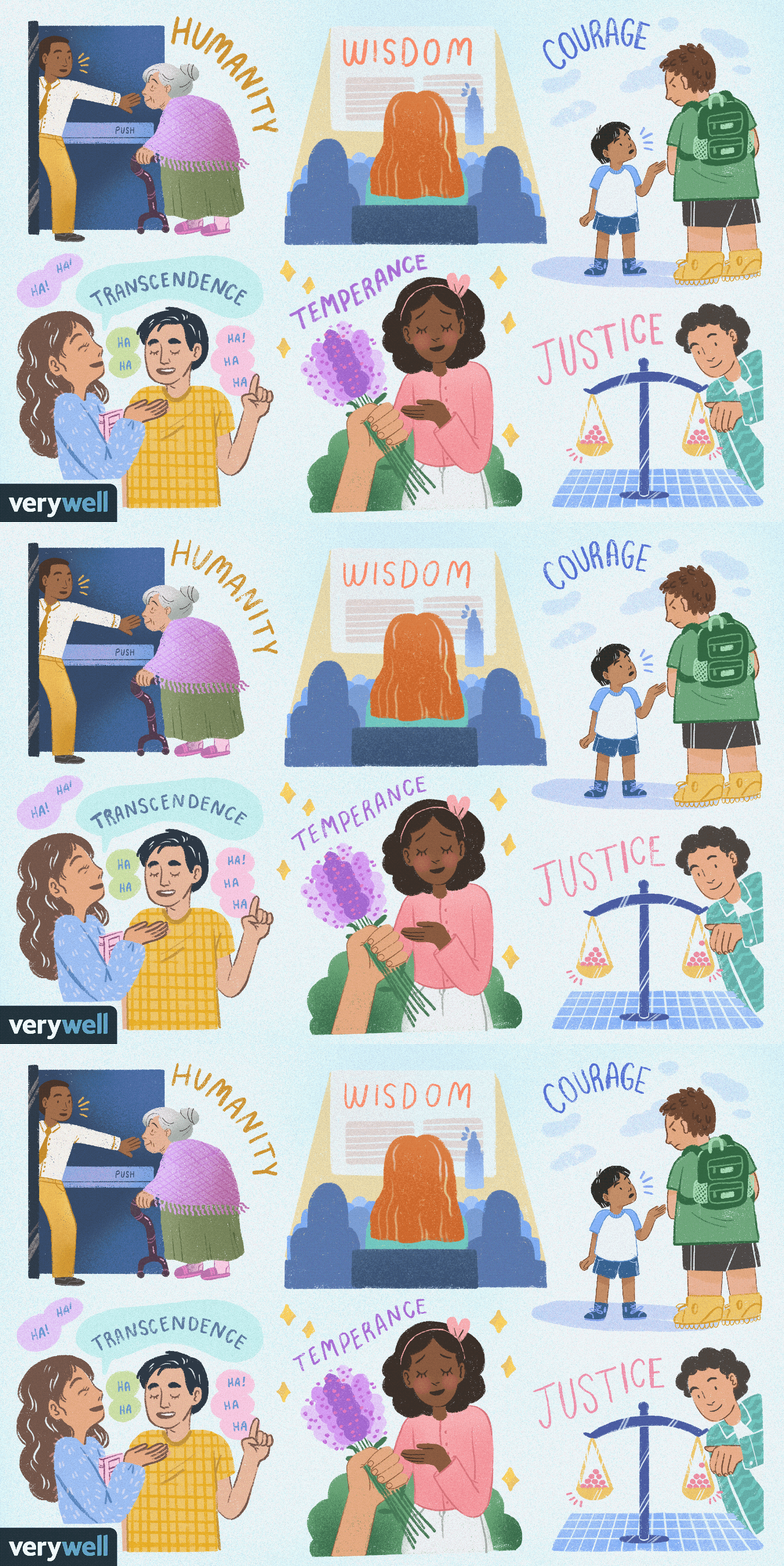
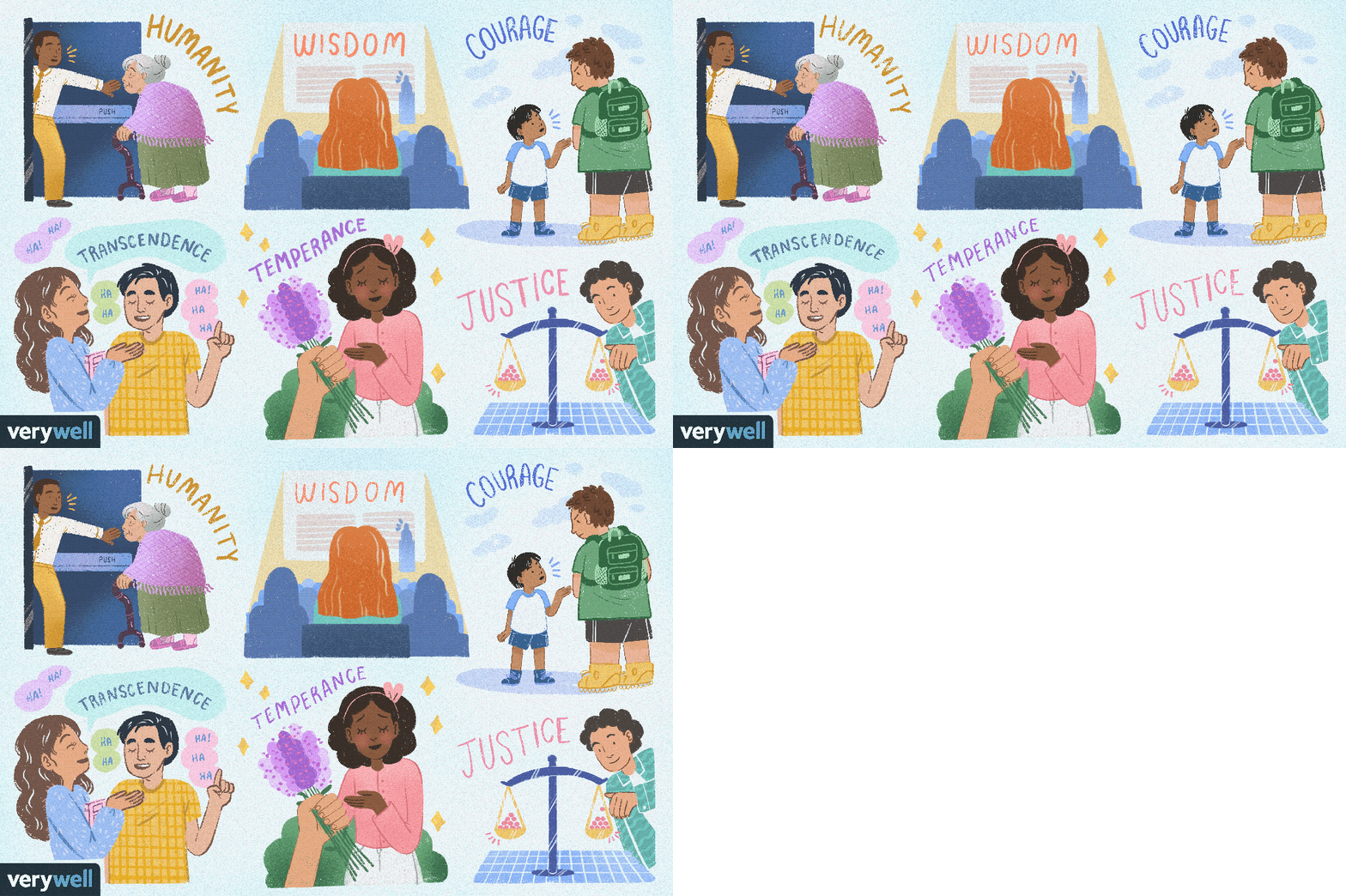
The Character Strengths are organised into six different classes of virtues:
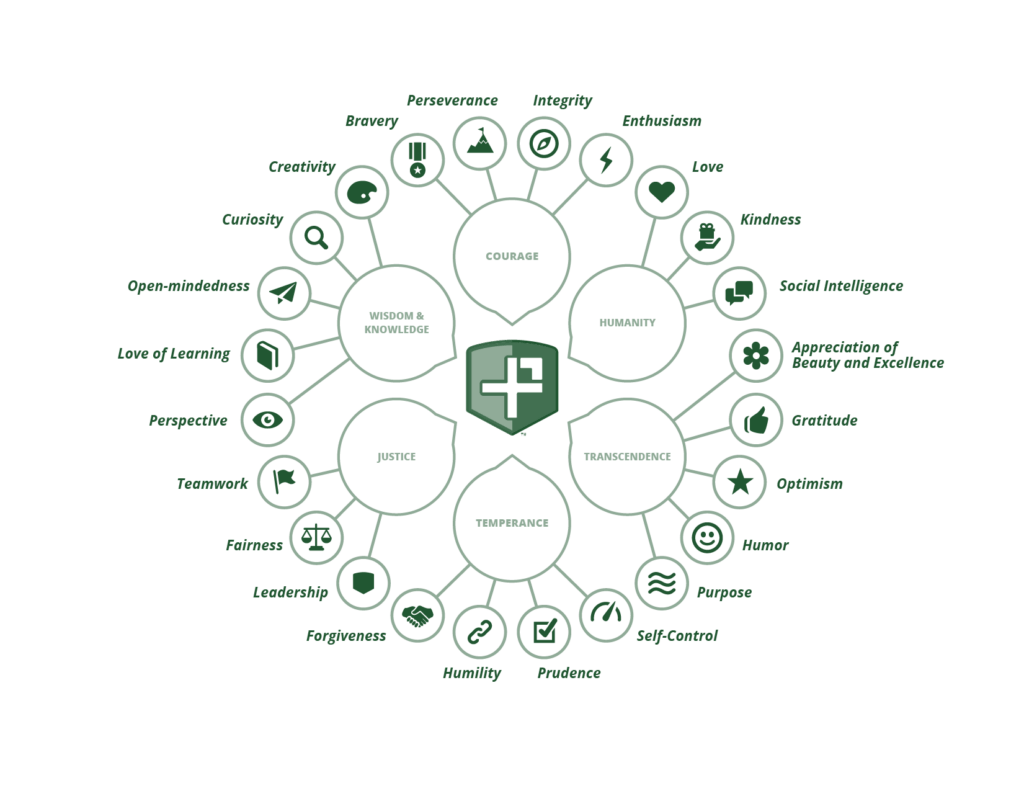
WISDOM
This is about being smart and curious, making good choices, and enjoying learning.
People who excel in wisdom often have strong thinking abilities that help them gain knowledge and apply it in smart and practical ways. The key character strengths related to wisdom include:
- Creativity: Being creative, conceptualising something useful, coming up with ideas that result in something worthwhile.
- Curiosity: Seeking out situations where we gain new experiences without getting in our own or other people’s way.
- Judgment: Weighing all aspects objectively in making decisions, including arguments that are in conflict with our convictions.
- Love of Learning: Being motivated to acquire new levels of knowledge, or deepening our existing knowledge or skills in a significant way.
- Perspective: Giving advice to others by considering different (and relevant) perspectives and using our own experiences and knowledge to clarify the big picture.
COURAGE
It’s not just about being brave but also sticking to things, being honest, and having lots of energy.
Individuals who score well in courage possess emotional strengths that enable them to achieve their goals despite facing challenges, whether from within themselves or from external sources. The character strengths linked to courage include:
- Bravery: Acting on our convictions, and facing threats, challenges, difficulties, and pains, despite our doubts and fears.
- Perseverance: Persisting toward our goals despite obstacles, discouragements, or disappointments.
- Honesty: Being honest to ourselves and to others; trying to present ourselves and our actions accurately to each person, and taking responsibility for our actions.
- Zest: Feeling vital and full of energy; approaching life feeling activated and enthusiastic.
HUMANITY
This is about being kind, loving, and good with people. It’s like having a big, warm heart.
People who excel in humanity demonstrate various interpersonal strengths related to caring for and befriending others. These fundamental character strengths include:
- Love: Experiencing close, loving relationships that are characterised by giving and receiving love, warmth, and caring.
- Kindness: Being helpful and empathic and regularly doing nice favours for others without expecting anything in return.
- Social Intelligence: Being aware of and understanding our feelings and thoughts, as well as the feelings of those around me.
JUSTICE
This is about being fair, working well in teams, and being a leader.
Individuals who excel in justice typically have civic strengths that highlight the significance of a thriving community. The character strengths within the justice category are:
- Teamwork: Being a helpful and contributing group and team member, and feeling responsible for helping the team reach its goals.
- Fairness: Treating everyone equally and fairly, and giving everyone the same chance applying the same rules to everyone.
- Leadership: Taking charge and guiding groups to meaningful goals, and ensuring good relations among group members.
TEMPERANCE
It’s about forgiving, being humble, making careful choices, and managing yourself well.
Individuals who score well in temperance generally possess strengths that guard against life’s excesses. These strengths include:
- Forgiveness: Forgiving others when they upset us and/or when they behave badly towards us, and using that information in our future relations with them.
- Humility: Seeing our strengths and talents but being humble, not seeking to be the centre of attention or to receive recognition.
- Prudence: Acting carefully and cautiously, looking to avoid unnecessary risks and planning with the future in mind.
- Self-Regulation: Managing our feelings and actions and being disciplined and self-controlled.
TRASCENDENCE
This is about appreciating beauty, being grateful, having hope, making people laugh, and feeling connected to something bigger, like a sense of spirituality.
Individuals who excel in transcendence often establish connections with God, the universe, or religions that offer meaning, purpose, and understanding. The fundamental positive strengths linked to transcendence are:
- Appreciation of Beauty and Excellence: Recognising, emotionally experiencing, and appreciating the beauty around oneself and the skill of others.
- Gratitude: Being thankful for many things and expressing that thankfulness to others.
- Hope: Being realistic and also full of optimism about the future, believing in my actions and feeling confident things will turn out well.
- Humour: Approaching life playfully, making others laugh, and finding humour in difficult and stressful times.
- Spirituality: Feeling spiritual and believing in a sense of purpose or meaning in our lives; seeing our place in the grand scheme of the universe and finding meaning in everyday life.
IMPLEMENTATION IN THE CLASSROOM

- Discovering Strengths: Start the journey by helping children identify their strengths using story books or other resources. This not only helps them understand themselves better but also fosters a positive self-image.
- Classroom Culture: Infuse these strengths into the classroom culture. For instance, Wisdom can be encouraged through activities that promote curiosity and love for learning. Courage can be nurtured by celebrating resilience and honesty.
- Strength-Based Teaching: Tailor teaching methods to capitalise on individual strengths. If a student shows a knack for creativity (a Wisdom strength), incorporate more creative projects into their learning.
- Collaborative Activities: Encourage activities that promote Justice and Humanity, like teamwork and kindness projects. This not only builds character but also creates a supportive classroom community.
- Reflection and Goal Setting: Regularly reflect on strengths and set goals for improvement. This cultivates a growth mindset, where challenges are seen as opportunities to grow.
BENEFITS IN THE CLASSROOM
- Increased Engagement: When children recognise and use their strengths, learning becomes a more engaging and enjoyable process.
- Improved Well-being: Focusing on strengths contributes to a positive emotional state, fostering mental well-being among students.
- Better Relationships: Understanding and appreciating each other’s strengths enhances interpersonal relationships, creating a harmonious classroom environment.
- Resilience Building: Teaching children to leverage their strengths in overcoming challenges instills resilience and a positive attitude towards setbacks.
- Life Skills Development: The 24 Character Strengths aren’t just for the classroom; they are life skills that prepare students for future challenges.
In essence, integrating positive psychology and the 24 Character Strengths into education isn’t just about teaching subjects; it’s about nurturing the whole person. It’s about creating an environment where children not only learn about the world but also about themselves — a classroom where each child’s unique brilliance is not just acknowledged but celebrated. As educators, we must embark on this transformative journey, unlocking the full potential of our students and creating a generation empowered with the strengths to face the world.
 Mr Sanchez Tutoring
Very interesting post. Thank you!
LikeLiked by 1 person
Thanks🤎
LikeLike