
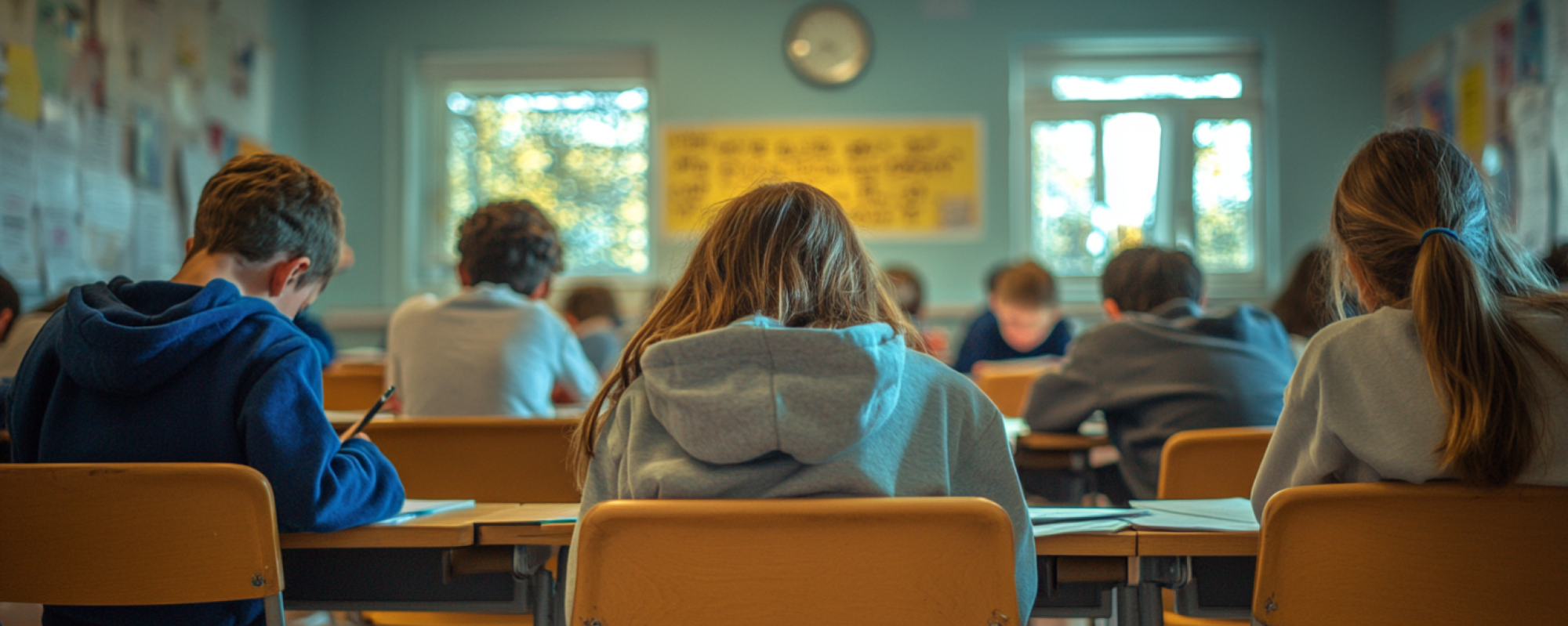

How To Teach Social Intelligence
Social intelligence is all about understanding and responding to others’ feelings, which helps build strong relationships. It can make children more empathetic, better communicators, and problem solvers.

Improving EYFS Learning with Structured Learning
“Structured routines, strong relationships, and a fresh approach to pedagogy have transformed our Early Years Foundation Stage (EYFS) practice for better learning outcomes.”
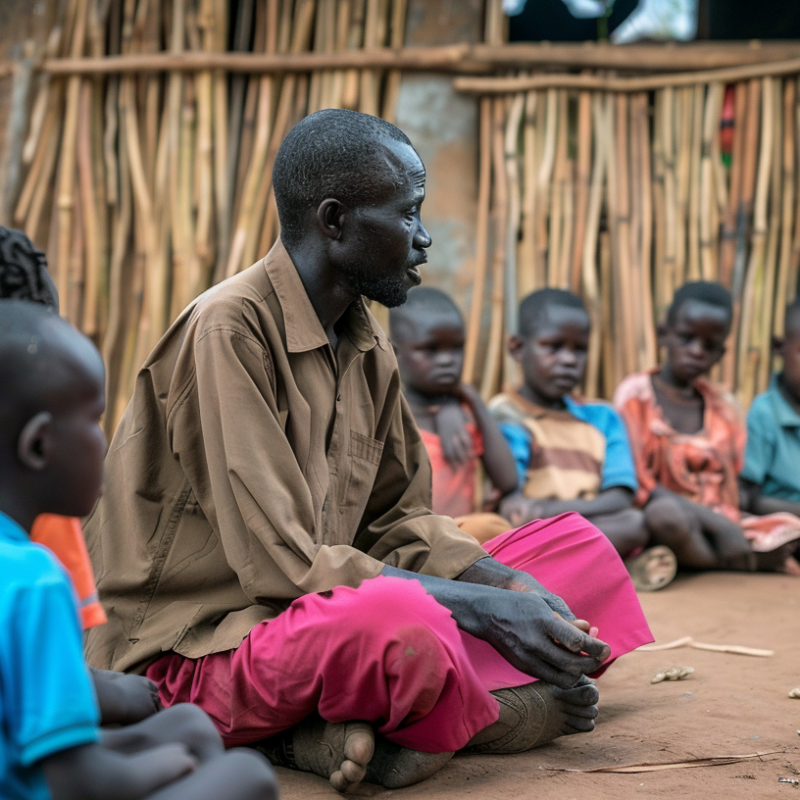
Giving Feedback in Schools (to Children and Adults)
How we give feedback is really important. Nobody likes being told off in front of other people, including children.

Children’s Misconceptions Explained by Piaget
Happy 2024! I’m back with an interesting post about Piaget and children’s understanding of the principle of conservation.

2023: From EAL Project to MrSanchez
2023 has been a year of changes, and I look forward to seeing what 2024 will bring.

Disruptive Behaviour in EYFS
For us, teachers, disruptive behaviour is our bread and butter. This can be significantly more frequent with young children.

“Can’t Live Without Routines”
School routines are essential for children’s and behaviour management success.

Positive Responses to Improve Your Classroom Management
Master classroom management by simply responding to children positively.

Self-Control and Grit: The Marshmallow Experiment
An interesting study on self-control and grit. This experiment reveals a lot about temperance and self-regulation.
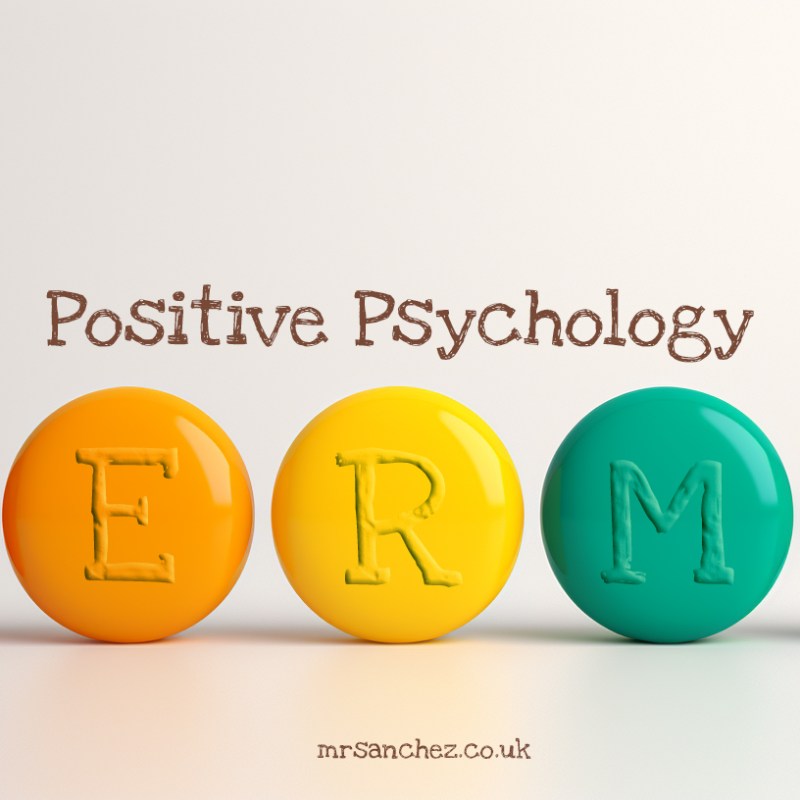
Positive Psychology: The PERMA Model
The PERMA model and positive psychology positively impact mental health and well-being in primary schools.

What Was Education Like in Ancient Egypt?
Ancient Egyptians were a mysterious civilization that laid the first stone in what we know as education today.

8 Signs of Autism and 8 Ideas to Mitigate Their Symptoms
Learn some strategies to support children with autism.

10 Ideas To Boost Children’s Curiosity
One of the 24 character strengths that can be challenging to develop is curiosity. Here are some ideas on how to enhance it in young children, both at home and at school.
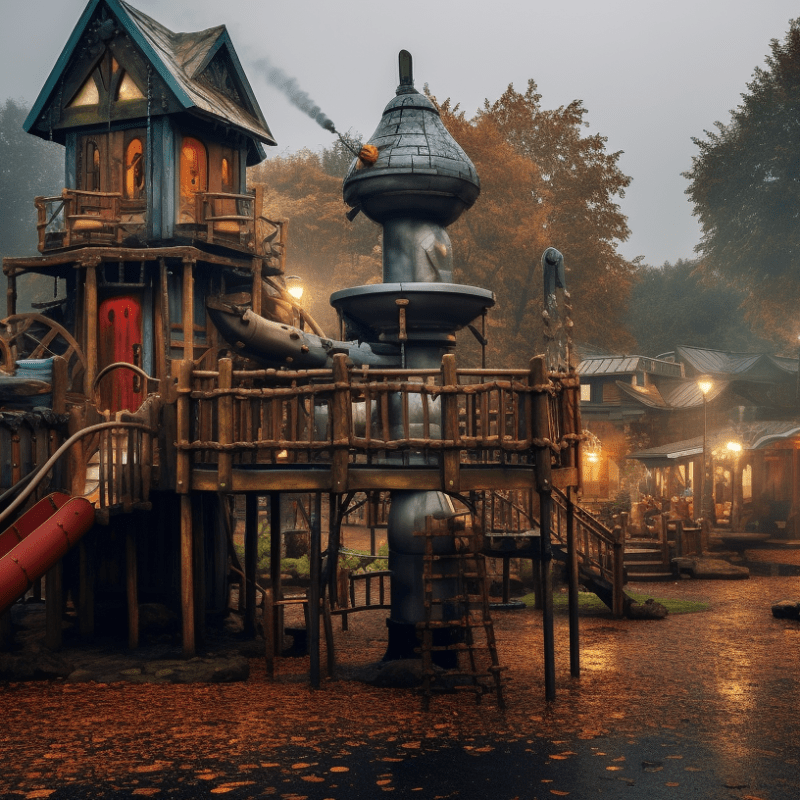
Creativity and Community: The Power of Adventure Playgrounds
Dating back to the 1950s, these community-driven spaces are more than just play areas.

10 Ideas To Improve Children’s Creativity
Creativity is one of the 24 character strengths. Here are some ideas on how to enhance this in young children, both at home and at school.

5 Writing Ideas for Reception Children
Make writing a meaningful experience. Try out these ideas in your classroom or at home.

“That’s what we do here”
Insights into the importance of professional discussions and how they stimulate reflection about our practice as educators.

What Was Education Like in Ancient Rome?
The ancient Romans learned about oracy and had a fairly comprehensive curriculum. Learn about their education system and how it still impacts today’s schools.
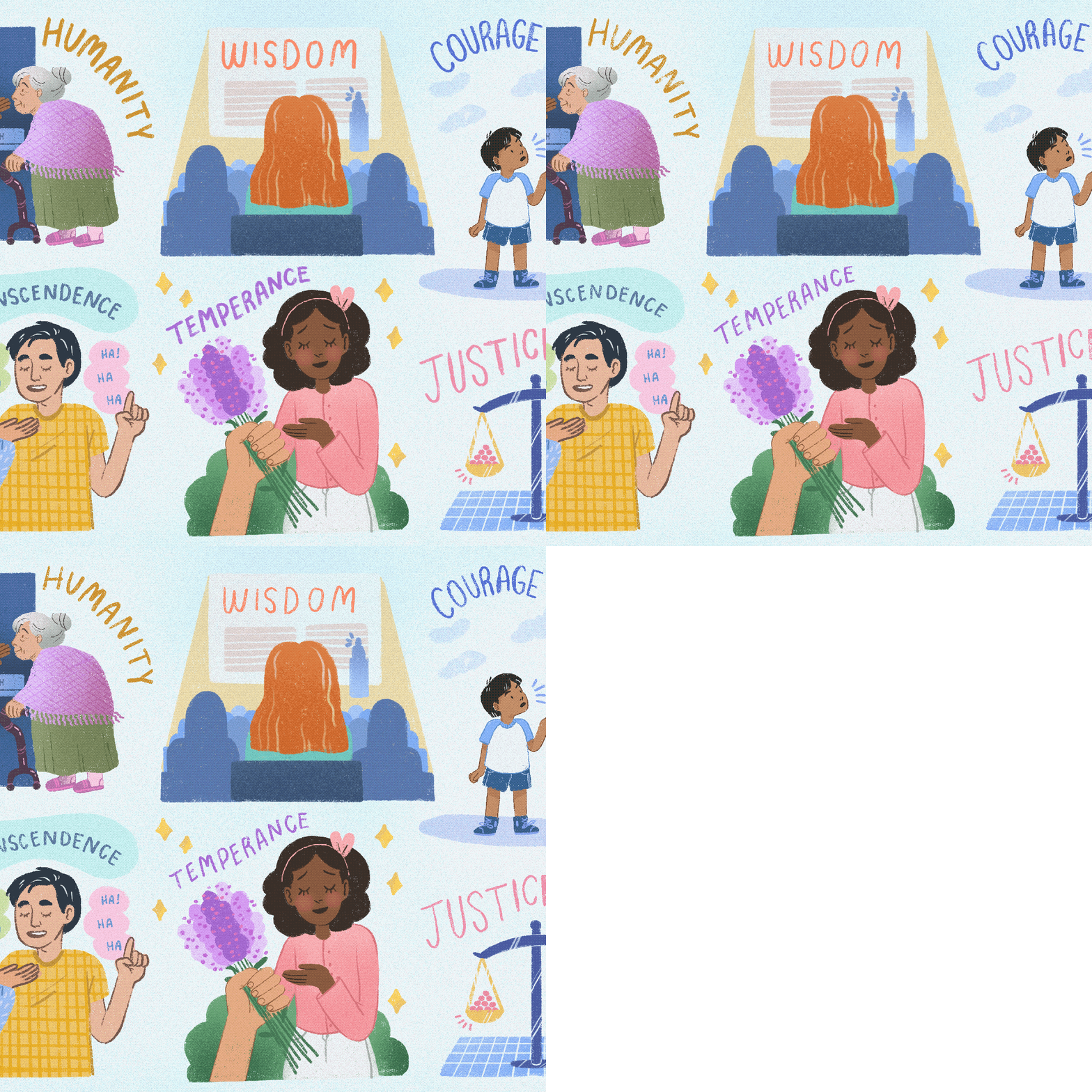
What are the 24 Character Strengths?
In this blog post, I discuss positive psychology and Dr. Martin Seligman’s 24 Character Strengths. Learn how to lead a happy and meaningful life and discover ways to assist children in developing the essential skills they’ll need to reach their full potential.
Reception Baseline Assessment Tests Are Ineffective
Reception teachers against the controversial Reception Baseline Assessment (RBA). In a recent Teacher Tapp survey, a staggering 76% of teachers deemed the RBA unhelpful during the crucial settling-in period for young pupils. Read about the concerns surrounding budget strains, inclusion issues, and teacher frustration. Is the RBA truly providing valuable insights, or is it an…
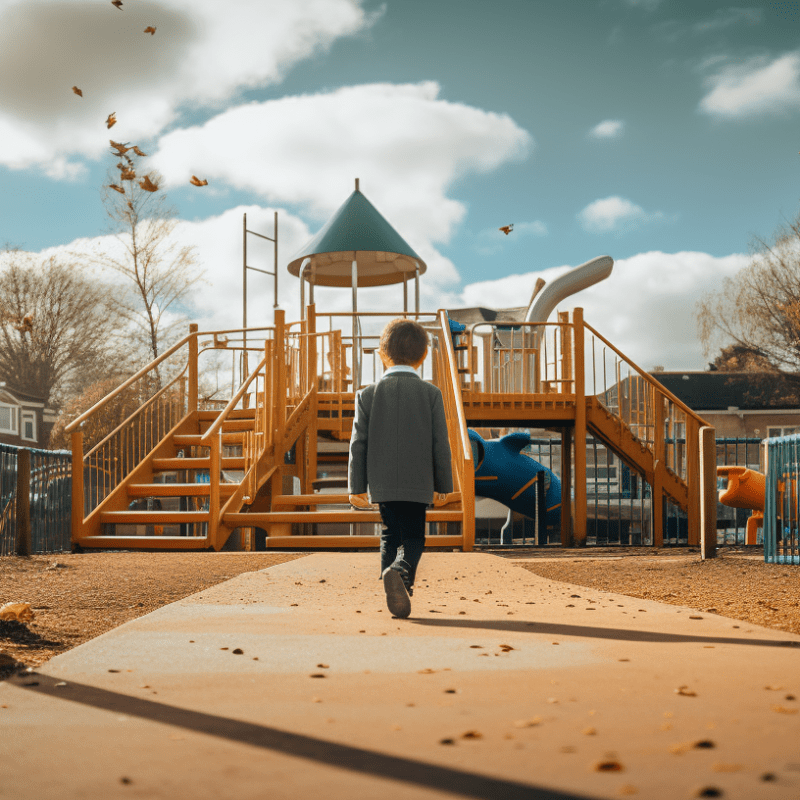
Learning Through Play: EYFS Outdoor Provision
Two days ago at Hillingdon Primary School, I discovered the magic of learning outdoors. The idea was clear: no matter the weather, children should explore and learn through play. The outdoor spaces were purposeful, from a mud kitchen to a water play zone. Limited resources meant no clutter, letting educators create focused learning experiences. Quality…
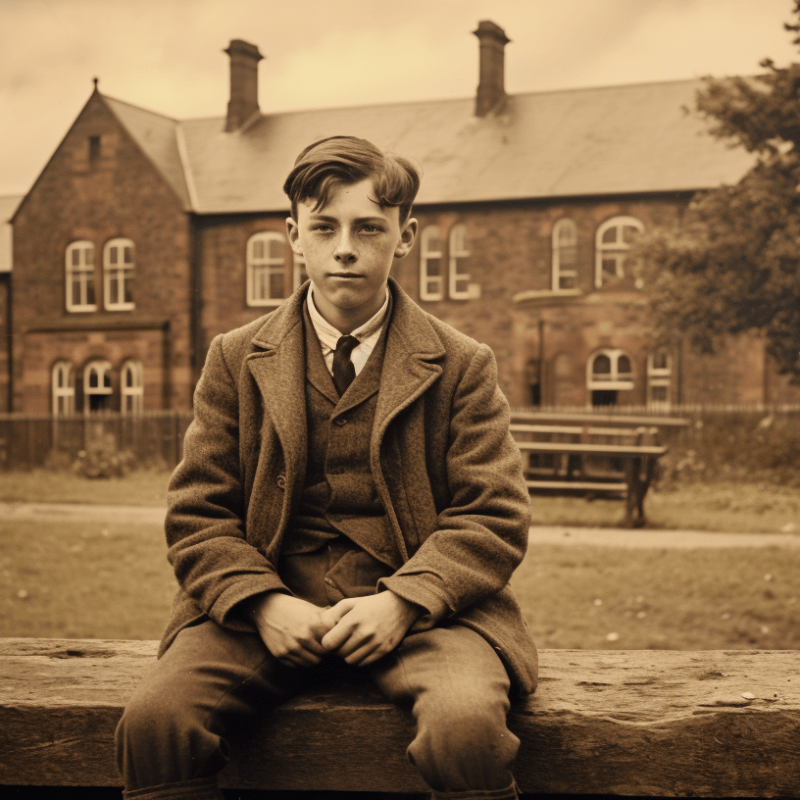
A.S. Neill’s 140th Birthday: Legacy of an Education Pioneer
Today, we celebrate the 140th birthday of A.S. Neill, a remarkable educator who founded Summerhill School in 1921. Neill believed in letting children choose their own learning paths, creating a unique and democratic environment. At Summerhill, students and teachers worked together, and there were no mandatory classes, promoting intrinsic motivation. While Neill’s ideas faced criticism,…

What Was Education Like in Ancient Greece?
Ancient Greek education was a complete preparation for active roles in the community. Their timeless ideas, foundational to education, connect us across centuries and continents.
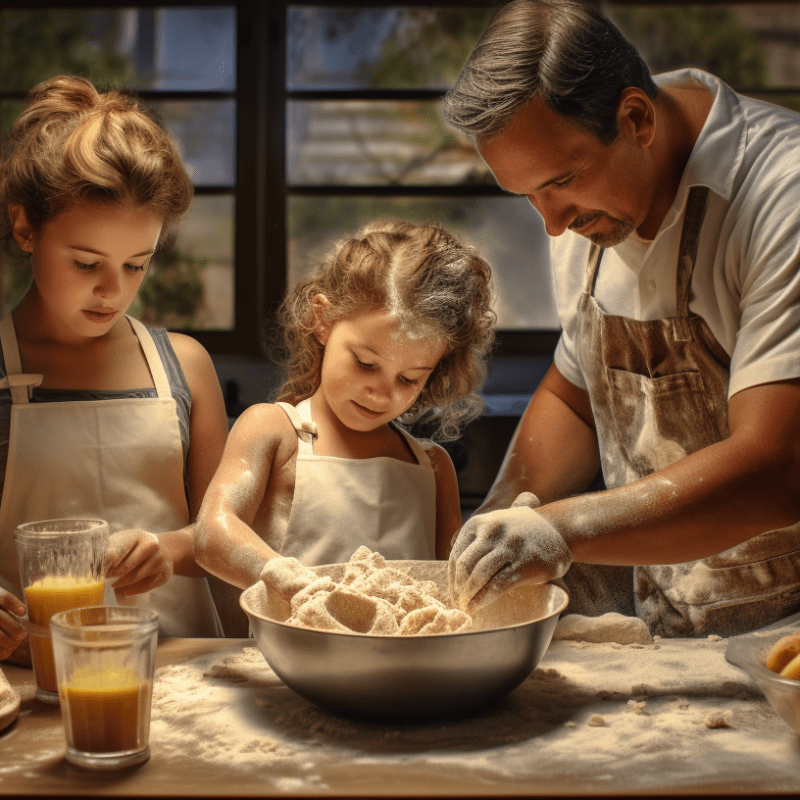
12 Maths Ideas For Home Learning (For Children Up to 5 Years Old)
Learn how simple, everyday activities can be transformed into delightful opportunities for developing essential math skills. From counting fingers and toes to exploring the wonders of nature, this blog post is your guide to making math a joyous adventure for your little one. Send your own ideas to help me support more children and their…

Language Acquisition and Speech Problems
Exploring early language development is fascinating. By knowing what helps children learn language, teachers and parents can help them become confident communicators. Good communication is important in today’s world, especially for leadership and success. Get practical tips for teachers and parents to make every talk a learning experience. Come with me on this journey to…
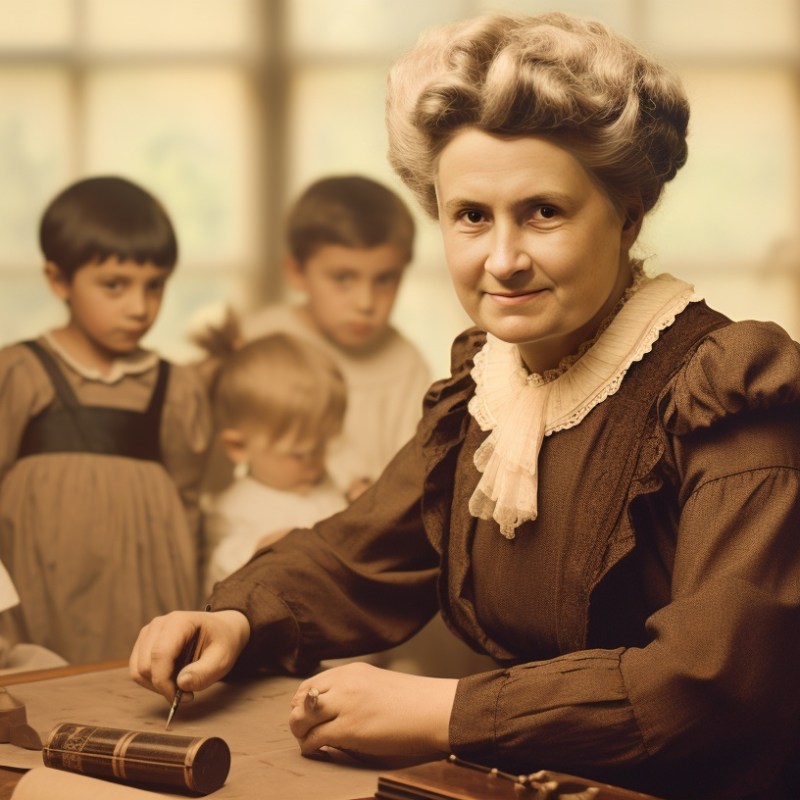
Maria Montessori: the Most Famous Pedagogue of All Time
Discover the extraordinary life of Maria Montessori, a pioneering educator, physician, and advocate for children’s rights. Her ground-breaking pedagogy continues to shape education worldwide. Born in 1870 in Chiaravalle, Italy, Montessori’s journey from medicine to education was driven by her passion for nurturing young minds. Her child-centred approach, emphasizing hands-on learning, independence, and self-motivation, has…

Managing Oppositional Behaviour in Children (Ages 3-10): Effective Strategies and Support
Discover the secrets to managing challenging behaviour in kids aged 3 to 10 with my latest blog post! Learn effective strategies tailored for children with Oppositional Defiant Disorder (ODD), where standard discipline methods may fall short. From recognising triggers to using positive reinforcement, I’ve got you covered. Learn about the potential link between ODD and…

‘Shadow’ Pupils: A Challenge for all Teachers
In this post, I wanted to discuss a crucial issue – the “shadow” pupils, students with special educational needs and disabilities (SEND) who lack an Education, Health, and Care Plan (EHCP), a document outlining their essential support. A recent study by the Education Policy Institute (EPI) reveals that these “shadow” pupils, despite receiving extended school…

What Are Trauma-informed Schools?
Trauma-informed schools are all about helping students who’ve been through tough times. They train teachers to understand trauma and how it affects kids. These schools create a safe and caring place where students can learn and grow. They focus on things like building trust, being kind, and teaching kids to handle their feelings. Instead of…

The Zones of Regulation: Emotional Wellbeing in Primary Schools
Nurturing emotional intelligence in children is key in today’s schools. One effective framework that has gained prominence in recent years is Leah M. Kuypers’ Zones of Regulation. This innovative system provides a structured approach to help children recognise, understand, and manage their emotions.
Something went wrong. Please refresh the page and/or try again.
 Mr Sanchez Tutoring