

Adventure playgrounds are special places where children can play and have fun. In these playgrounds, children don’t just play with toys – they also get to help create and design their play area. Skilled playworkers are there to guide and support them while they do activities that might be different from what you can do in regular playgrounds. This includes things like digging, making fires (safely!), building things, knocking them down, and then building them again. The cool part is that the things they make are respected and left there, so the kids can keep playing with them. Adventure playgrounds are all about giving children the power to be creative and have a lot of fun!
These playgrounds are evidence of how local communities can create spaces where children not only play but also grow. Parents, unsatisfied with the lack of play areas for their children, turned neglected lands into havens for imagination, creativity, and social interaction.
Since the 1950s, adventure playgrounds have become excellent examples of supervised play areas. There are around 180 of these playgrounds across England, providing a dynamic and challenging environment for children. Found mostly in disadvantaged areas, they act as a crucial support for families that other services might find challenging to reach. Many are run by volunteer committees or local authorities, relying heavily on community engagement.
Case Study: Glamis Adventure Playground

Located in the busy London Borough of Tower Hamlets, Glamis Adventure Playground demonstrates the impact of community participation. This open-access facility, situated in a densely populated urban neighbourhood, prioritises outdoor adventure play. According to a local children’s services manager, Glamis fosters a distinctive atmosphere where diverse groups gather, breaking down social barriers. The enchanting experience, especially for children, builds connections across societal divides.
Children Designing Their Play Space
Adventure playgrounds stand out because they empower children. In these areas, children not only play but also take part in designing and developing their play space. Skilled playworkers guide and support them, endorsing activities that might not be allowed elsewhere, such as digging, making fires, building, demolishing, and remaking. The creations made by the children are respected and left in place, allowing them to easily continue their play.
According to Danny, a 13-year-old from Roman Road Adventure Playground in Tower Hamlets, “These spaces give us a chance to connect, engage in unconventional activities, and express our creativity through building.”

Beyond Play
While adventure playgrounds are primarily designed for children, they also function as safe spaces where parents trust their children will be well looked after. Embedded in the heart of the community, these playgrounds serve as focal points for informal family support networks. Their drop-in ethos fosters a sense of local ownership, with generations growing up in these spaces and continuing the tradition.
Case Study: Garston Adventure Playground

Built in 1978 on a three-acre site in south Liverpool, Garston Adventure Playground exemplifies longevity and community continuity. Constructed by local long-term unemployed individuals, it now welcomes the grandchildren of those who played there in their youth. Such intergenerational connections highlight the enduring appeal and community value of adventure playgrounds.
Play-work Principles
The Play-work Principles understand how having access to lots of different places and chances to play can help children and young people grow in a good way.
Play-work practice, varying across playgrounds, adheres to National Occupational Standards underpinned by Play-work Principles. These principles recognise play as freely chosen, intrinsically motivated, and personally directed—fundamental to individual and community well-being. Playworkers act as facilitators, supporting the play process and advocating for play within adult-led agendas.
Case Study: Gainsborough Adventure Playground
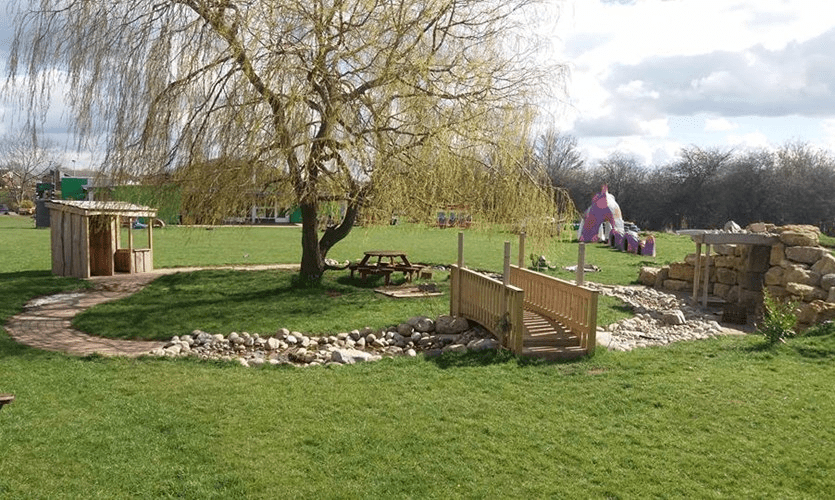
Located in Gainsborough, Lincolnshire, this independent charity not only provides a vibrant play space but also hosts services supporting families in the community. Collaboration with social workers, teachers, and nursing staff showcases the playground’s integration into wider community initiatives.
Building Bridges
Adventure playgrounds are more than play spaces; they are platforms for community engagement at various levels. Welcoming children of all ages, abilities, and backgrounds, they foster friendships beyond school hours and contribute to neighbourhood relationships. Volunteers find diverse opportunities, from practical building and maintenance to administrative roles, enhancing the playground’s sustainability.
Case Study: Roman Road Adventure Playground

Opened in 2011, this playground is funded by a social landlord, which is a unique way of getting money. There are plans to make it a training place for the whole borough, showing its importance as a community centre while still being a place for indoor play.
Corporate Social Responsibility (CSR) and Beyond
Adventure playgrounds often work with businesses through CSR programs, providing real benefits for those involved and valuable skills. Training providers and universities find these playgrounds appealing for student placements and practical coursework opportunities, underlining their educational value. This means that not only do people gain practical skills, but students also get good opportunities for learning and experience.

Community Pillars
Adventure playgrounds, led by skilled playworkers, are special places where whole communities can come together. Kids love them, parents trust them, and adults value them, making a big contribution to community unity and pride. These playgrounds also teach important lessons about getting involved in the community and show how people are motivated to participate in voluntary activities locally.
Adventure Playground Voices: Films by Play England
Play England has produced films that eloquently capture the importance of adventure playgrounds in the lives of children, families, and communities across England. These films present a compelling case for the continued support and recognition of these invaluable spaces.
Links:
 Mr Sanchez Tutoring
One thought on “Creativity and Community: The Power of Adventure Playgrounds”