

A couple of weeks ago, I wrote a post about positive psychology and the 24 character strengths. These skills define everyone’s character and personality; each of us has them in different amounts, creating a unique mix that shapes our way of being.
The character strengths are divided into 6 different categories or virtues: humanity, wisdom, courage, transcendence, temperance, and justice.
Today, I am going to share some ideas with you about how to improve one of our character strengths: creativity, which is included in the Wisdom virtue.
What is creativity?

Creativity is a skill that helps societies move forward, and it usually starts in childhood. As parents and teachers, fostering creativity in children isn’t just about supporting artistic expression but also about helping them think creatively, solve problems, and come up with new ideas. It is not confined to art classes or craft activities; it’s a dynamic quality that spans various domains. It involves the capacity to connect seemingly unrelated ideas, approach challenges with fresh perspectives, and manifest original thoughts into tangible outcomes.
How can parents assist children in cultivating their creativity?
- Create an Open Environment: Encourage open discussions where children feel their ideas are valued, fostering an environment where creativity can flourish.
- Diverse Experiences: Expose children to a variety of experiences, from nature walks to museum visits. These diverse encounters serve as rich fodder for creative thinking.

3. Unstructured Playtime: Allow unstructured play where children can invent games, build forts, or engage in imaginative play. These activities stimulate creative thinking.
4. Read Widely: Introduce children to a wide range of books that explore different cultures, perspectives, and fantastical worlds, sparking their imagination.

5. Support Passion Projects: When children show interest in a particular topic, provide resources and encouragement for them to explore it further. Passion often fuels creativity.
IDEAS FOR TEACHERS
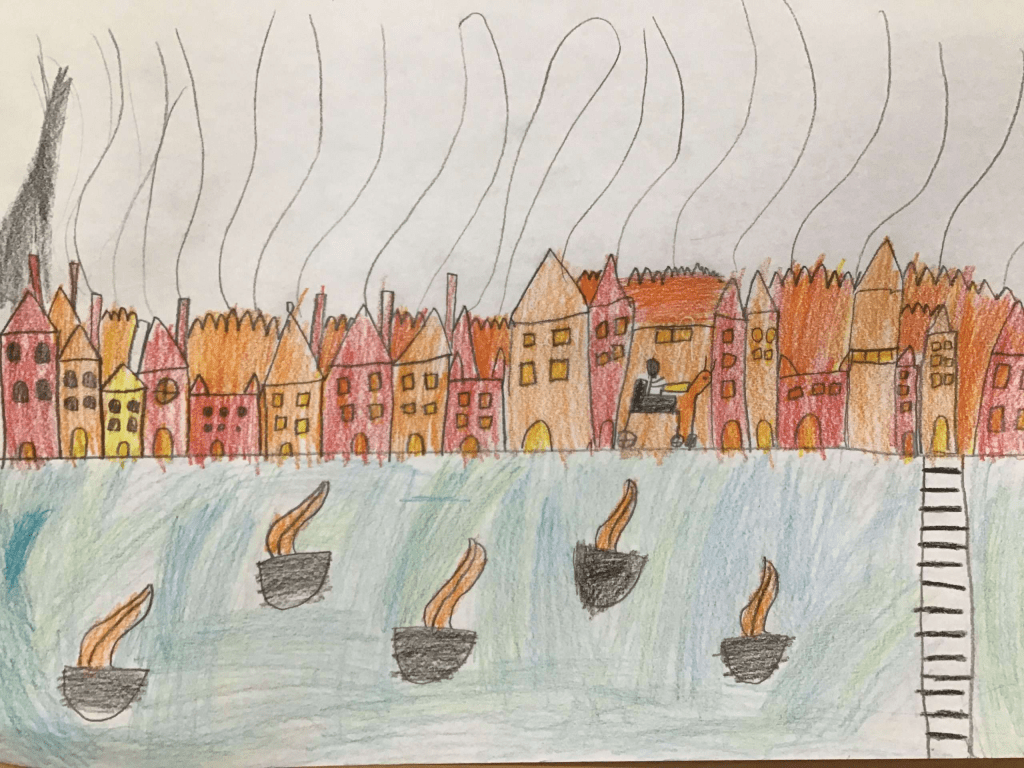
1. Incorporate Creativity in Lessons: Infuse creativity into regular subjects. For example, ask students to illustrate a historical event or compose a song about a scientific concept.
2. Encourage Questioning: Foster a classroom culture where questions are celebrated. Questions lead to exploration, and exploration is at the heart of creativity.
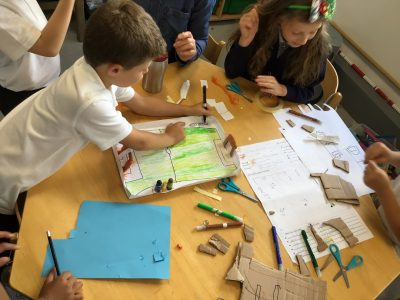
3. Group Projects: Collaborative projects encourage diverse ideas and problem-solving. Children can learn to appreciate different perspectives and work collectively towards a creative solution.
4. Expose to Different Mediums: Incorporate various mediums of expression, from drawing and writing to drama and music. This allows children to find their creative niche.
5. Celebrate Mistakes: Cultivate a mindset where mistakes are viewed as opportunities to learn. This reduces the fear of failure, fostering a more open and creative atmosphere.
Bibliography
Sawyer, R. K. (2011). Explaining Creativity: The Science of Human Innovation. Oxford University Press.
Csikszentmihalyi, M. (1996). Creativity: Flow and the Psychology of Discovery and Invention. HarperCollins.
 Mr Sanchez Tutoring