
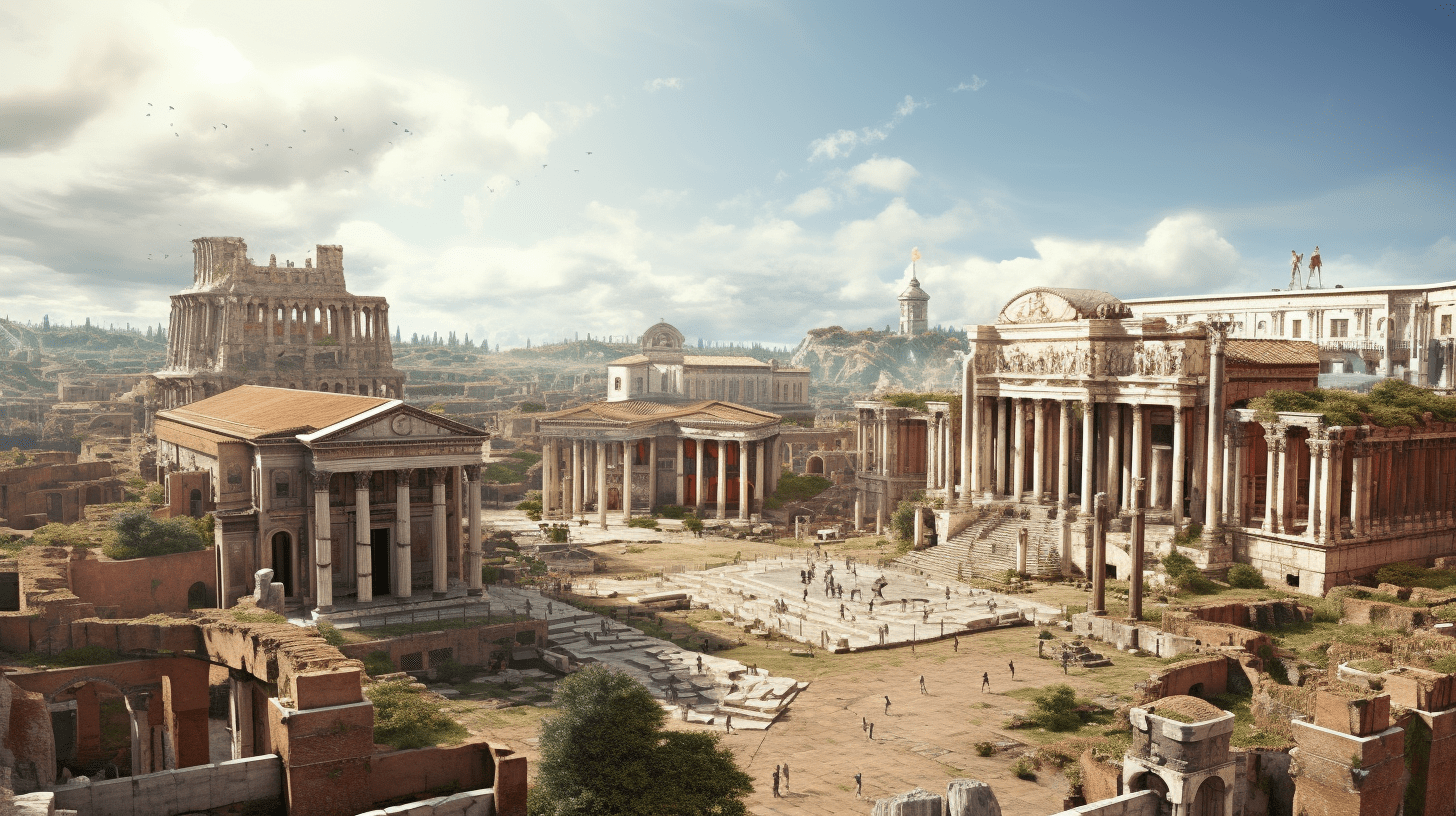
This week, I wanted to revisit the topic of ancient education. After covering ancient Greece in my previous writing (What was education like in ancient Greece?), I felt it was a good idea to explore the educational practices of ancient Rome. As expected, both systems show considerable similarities. Oratory and communication held significant importance in both, aligning with the increasing emphasis on these skills in today’s schools. We are gradually moving away from the rigid 20th-century curriculum to a new educational approach that highlights the value of social skills, particularly communication. Let’s take a closer look at the ancient Roman education system and compare it to our modern system.
Ancient Roman education played a crucial role in the formation of the modern world. More than just acquiring facts, it embraced a comprehensive approach to prepare individuals for active roles in their communities. I want to share with you the details of ancient Roman education—the teaching methods, notable figures, and the enduring influence still visible in today’s educational practices. The echoes of their teaching methods persist in modern education, emphasising that education goes beyond just sharing facts; it’s about encouraging critical thinking, overall growth, and effective communication.
Pedagogical Philosophy: The Role of the Ludi magister
In ancient Rome, education was a privilege often reserved for the elite class. The ludi magister, or schoolmaster, played a pivotal role in the education of free-born males. The term translates to “game master” or “teacher of games”, highlighting a distinctive aspect of Roman education.
While the Romans valued traditional subjects like reading, writing, and arithmetic, they also recognised the importance of physical activities and games in the development of a well-rounded individual. The ludi magister was responsible for overseeing these aspects of education.

Roman education focused not only on intellectual pursuits but also on cultivating qualities like discipline, teamwork, and strategic thinking through physical activities and games. The ludi magister would organise and supervise various games, exercises, and sports that were considered integral to character-building and the overall education of Roman youth. These activities were not merely recreational; they were intentionally designed to instil virtues such as endurance, courage, and fair play.
In the ludus (school), the ludi magister’s role extended beyond the conventional classroom setting, reflecting the Romans’ holistic approach to education. The emphasis on physical education alongside more academic subjects contributed to the molding of citizens who were not only knowledgeable but also physically fit, disciplined, and equipped with a robust set of virtues essential for active participation in Roman society.
Pupils and Institutions: Forum and Ludus
The “ludus” and “forum” were two integral components of daily life, each serving distinct yet interconnected roles. The ludus referred to a school or educational institution where Roman children received their primary education. Education in the ludus encompassed a range of subjects, including reading, writing, arithmetic, and oration. However, what set the Roman education system apart was its emphasis on physical education. In the ludus, students engaged in activities overseen by the ludi magister to instil qualities like discipline, teamwork, and physical fitness. The ludus played a vital role in shaping not just the intellectual capacities but also the character and virtues of Roman youth.
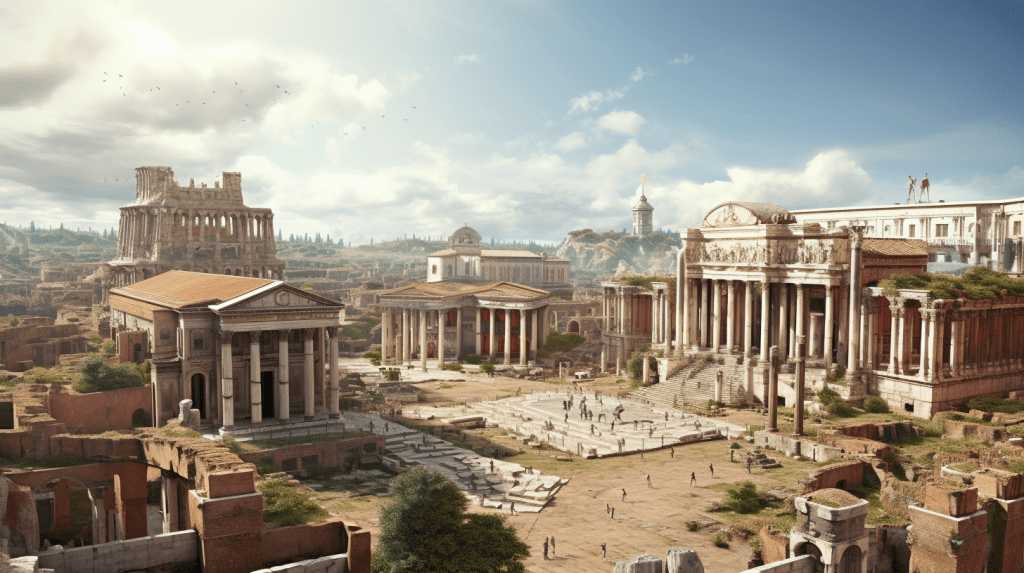
On the other hand, the “forum” was the bustling heart of Roman public life. Serving as a centre for politics, commerce, and social interactions, the forum was a public square surrounded by important government buildings, temples, and markets. It was a space for public speeches, political gatherings, commercial transactions, and various civic activities. The forum was not only a physical space but also a symbol of Roman civilization, where citizens came together to participate in the governance of the republic, share ideas, and engage in public life. The juxtaposition of the ludus and the forum in Roman society exemplifies the Romans’ holistic approach to education, where intellectual and physical development were both considered essential for producing well-rounded citizens.
Innovations in Teaching: The Ciceronian Style
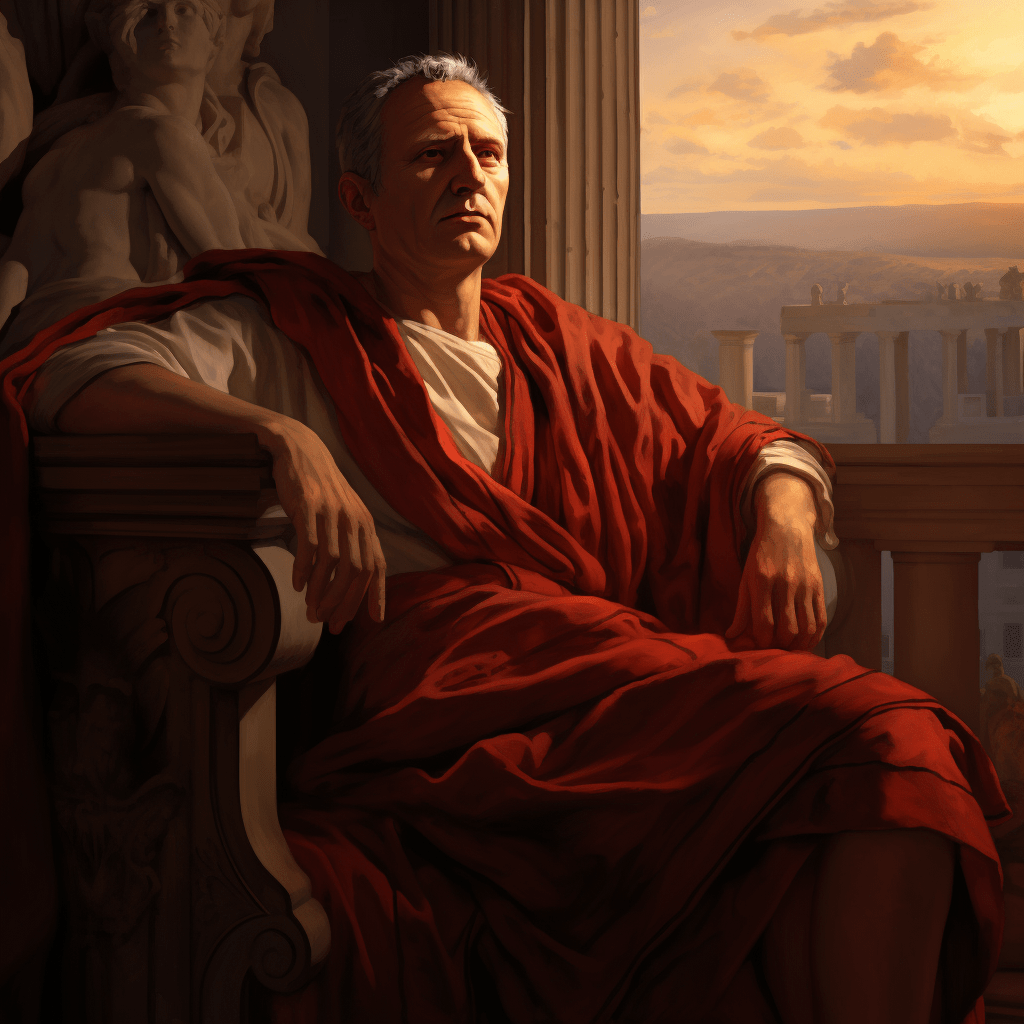
The Ciceronian style, named after the renowned Roman orator and statesman Cicero, refers to a distinctive form of rhetorical expression characterised by eloquence, clarity, and persuasive power. Marcus Tullius Cicero, who lived during the late Roman Republic (106–43 BCE), was celebrated for his exceptional command of language and his ability to sway audiences through his speeches. The Ciceronian style is marked by its ornate and polished prose, emphasising the careful arrangement of words and sentences to achieve a harmonious and persuasive effect.
Cicero’s influence on language extended beyond his time, significantly shaping the course of Latin literature. His works, including speeches, essays, and philosophical treatises, became exemplars of eloquence. The Ciceronian style prioritises the use of balanced sentences, varied rhythm, and rich vocabulary to captivate and engage the audience. Cicero believed that an orator should not only present arguments logically but also stir the emotions of the listeners. This blending of reason and emotion is a hallmark of Ciceronian rhetoric.
During the Renaissance, scholars and writers looked to Cicero as a model for eloquence and sought to emulate his style. The revival of interest in classical learning during this period, known as humanism, saw a resurgence of Ciceronian influence in both Latin and vernacular writings. Even today, the term “Ciceronian” is used more broadly to describe a polished, elevated style of writing or speaking that aims for rhetorical excellence and persuasiveness.
Style of Education: Oratory Skills and Citizenship
In ancient Rome, being skilled in oratory, which means the art of public speaking, was incredibly important for being a good citizen. Public speaking wasn’t just about saying words; it was about convincing others, sharing ideas, and influencing decisions that affected the entire community. Oratory skills were considered a crucial part of a Roman citizen’s education. Young men, especially, were taught the art of speaking well because it was seen as essential for participating in public life.
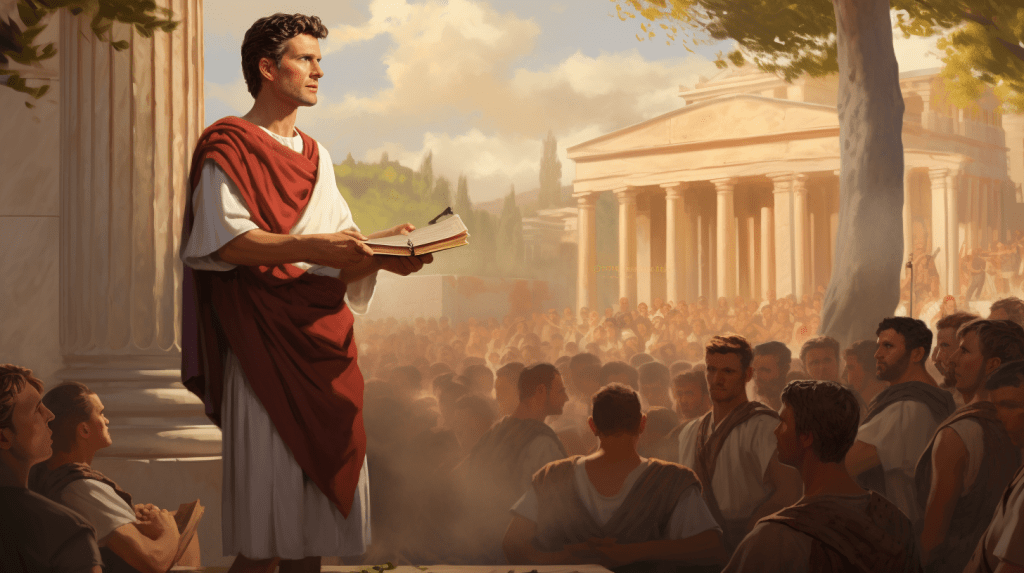
A great orator in ancient Rome had the power to shape opinions and sway the direction of important matters. This skill was linked to the concept of virtus, which meant not just personal virtue but also a sense of civic duty and excellence. Cicero believed that an orator should not only be eloquent but also possess a deep understanding of law, philosophy, and ethics. The Romans believed that good citizens needed to actively participate in the affairs of the state, and the ability to speak persuasively was a tool for that engagement. Oratory skills were, therefore, seen as a means of serving the greater good of the Roman Republic.
Literature and the Arts: The Influence of Greek Models
The Roman education system, deeply influenced by its Greek counterpart, was structured around the Trivium and Quadrivium, reflecting a commitment to providing a well-rounded education. The Trivium, consisting of grammar, logic, and rhetoric, aimed to cultivate linguistic proficiency and advanced reasoning skills. Grammar laid the groundwork for linguistic competence, logic delved into the principles of sound reasoning, and rhetoric focused on persuasive communication. This trio of disciplines formed the bedrock of a Roman’s intellectual journey, emphasising the importance of language mastery and critical thinking.
Complementing the Trivium, the Quadrivium extended the educational spectrum to scientific and mathematical domains. Arithmetic, geometry, music, and astronomy comprised the Quadrivium, offering students a comprehensive understanding of these disciplines. While the Greeks laid the foundation for these subjects, the Romans adapted and integrated them into their educational framework to meet the specific needs of their society. The Quadrivium aimed to equip individuals not only with linguistic and reasoning abilities but also with a robust foundation in the sciences and mathematics, acknowledging the holistic nature of education in cultivating informed and capable citizens.
In essence, the Roman education system, with its amalgamation of Greek influences into the Trivium and Quadrivium, sought to produce individuals who were not only adept in language and reasoning but also well-versed in the sciences and mathematics. This multifaceted approach to education exemplified the Roman commitment to a comprehensive and adaptable educational model that could meet the diverse challenges of their society.
Notable Educators: Quintilian and the Institutio Oratoria
Quintilian, a prominent Roman educator in the 1st century CE, made significant contributions to rhetorical and oratory education. His influential work, “Institutio Oratoria,” became a seminal text in the field, outlining principles that influenced educational thought for centuries. This seminal piece laid down fundamental principles that underscored the importance of ethical and effective communication. Quintilian’s teachings resonated with the broader Roman goal of nurturing citizens who were not only articulate but also possessed a strong ethical foundation.

Quintilian’s ideas have lasted for centuries, showing how important they were. His legacy is seen in how he deeply influenced education in ancient Rome. He showed that talking well and persuading others wasn’t just a skill; it was vital for creating citizens who were good and capable.
The Impact on Modern Education
The legacy of ancient Roman education continues to influence modern educational systems in various ways. The Roman emphasis on a well-rounded education, encompassing subjects like language, mathematics, and rhetoric, laid the groundwork for the comprehensive curriculum we see today. The Trivium and Quadrivium, which covered grammar, logic, rhetoric, arithmetic, geometry, music, and astronomy, exemplify the interdisciplinary approach that is still valued in contemporary education.
Additionally, the Roman commitment to producing responsible citizens through education has left an enduring mark. The idea that education is not just about learning facts but also about teaching good values and civic virtues remains integral to modern educational philosophy. Quintilian’s emphasis on effective communication as a means of shaping virtuous individuals has parallels in the modern focus on communication skills and character education (oracy). In essence, ancient Roman educational principles, adapted and evolved over time, continue to shape the foundations of modern education by emphasising the importance of a holistic and morally grounded approach to learning.
Bibliography:
1. Cicero. (1997). De Oratore. Oxford University Press.
2. Quintilian. (2006). Institutio Oratoria. Harvard University Press.
 Mr Sanchez Tutoring
One thought on “What Was Education Like in Ancient Rome?”