

I have always cherished a happy memory of playing a game with my grandfather when I was a child. Every summer, my siblings and I would spend time at my grandparents’ home, playing a game that helped me develop my math skills. Each of us would choose a colour, and then we would count the cars passing by my grandfather’s balcony. We could easily see the cars from the balcony as the main road was right in front. This activity not only brought us joy, especially with our grandfather (who always picked the colour white, the most popular car colour at that time), but it also helped us with counting, a fundamental math skill. It’s a great example of how adults can spend quality time with children while supporting their cognitive development, in this case, mathematical thinking.
There are many games and routines that can enhance your child’s language and math skills. Today, I will share 12 ideas for things you can do at home to have fun and support your child’s mathematical thinking.
Birth to 12 Months
- COUNTING FINGERS AND TOES (0-6 months): Count your baby’s fingers and toes while gently touching them. This introduces the concept of counting and body parts.

- RATTLES AND COUNTING SOUNDS (6-12 months): Use rattles and toys that make sounds when shaken. Count the shakes together, encouraging basic counting skills.

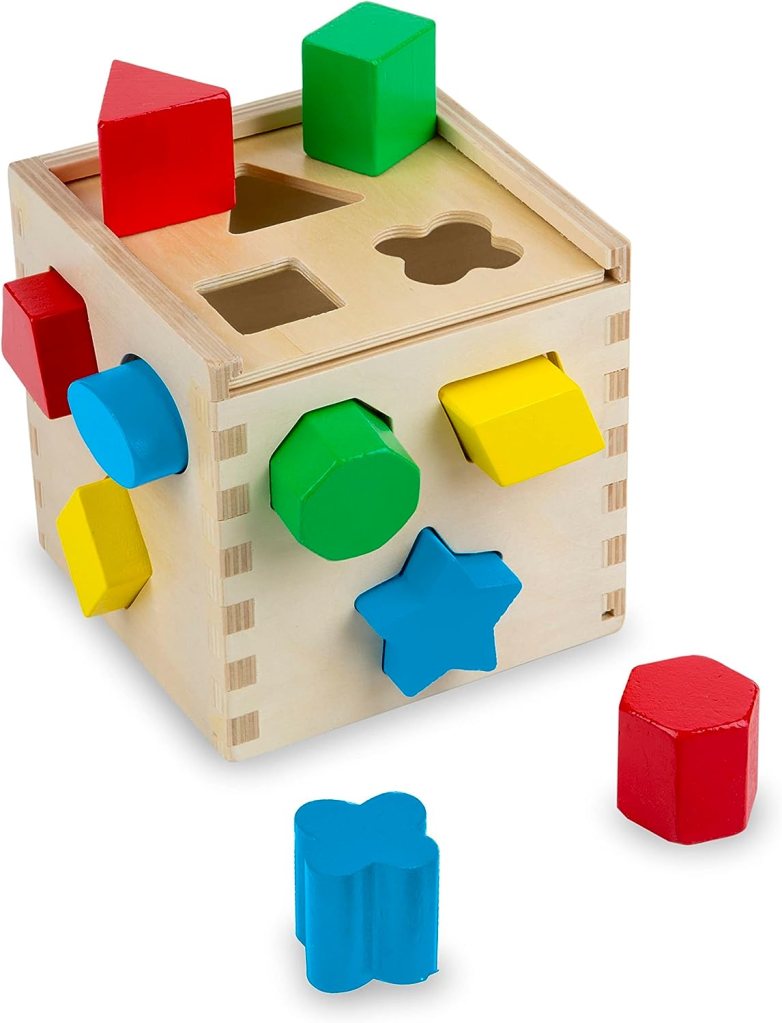
- SHAPE SORTERS (6-12 months): Introduce shape sorters with simple shapes that can be matched to corresponding holes. Talk about the shapes and colours as you play.
1 to 3 Years
- COUNTING STEPS (1-2 years): Count the steps you take while walking around the house or outside. This helps with number recognition and one-to-one correspondence.

- NUMBER SONGS (1-2 years): Sing counting songs like “One, Two, Buckle My Shoe” and “Five Little Ducks.” These songs help children remember numbers in sequence.

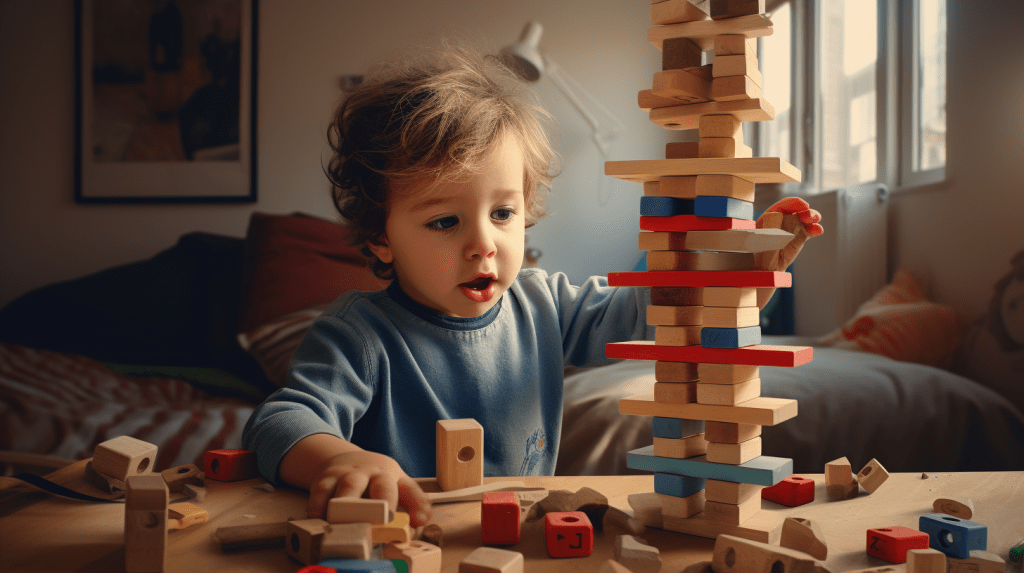
- PLAY WITH BLOCKS (2-3 years): Build towers with blocks and count them as you add each one. Knock them down and count again. This reinforces counting and basic math concepts.
- SIMPLE PUZZLES (2-3 years): Choose puzzles with numbers and matching quantities. This activity helps with number recognition and visualising quantities.

3 to 5 Years:
- NUMBER RECOGNITION GAMES (3-4 years): Play games where your child finds and matches numbers around the house or on signs during walks.

- COOKING AND BAKING (3-5 years): Involve your child in measuring ingredients and counting while cooking or baking. This helps with understanding quantities.

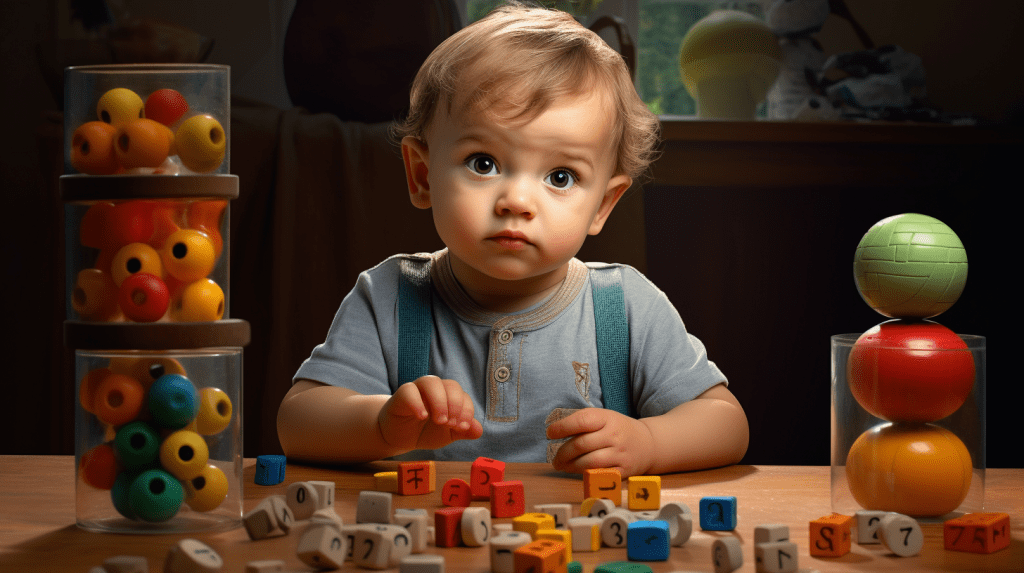
- COUNTING OBJECTS (4-5 years): Use everyday objects like toys, buttons, or cereal pieces for counting practice. Ask questions like, “How many red buttons do you have?”
- BOARD GAMES (4-5 years): Introduce simple board games that involve counting spaces or dice dots. This enhances counting and turn-taking skills.

- NATURE WALK COUNTING (4-5 years): During nature walks, count leaves, flowers, or rocks you find. This activity connects numeracy with the natural world.

Remember, the goal is to make learning fun and engaging. Incorporate these activities into your daily routine and follow your child’s interests. Tailor the activities to your child’s developmental level and pace, and provide plenty of encouragement and positive reinforcement as they explore numeracy concepts.
 Mr Sanchez Tutoring