
Her Life
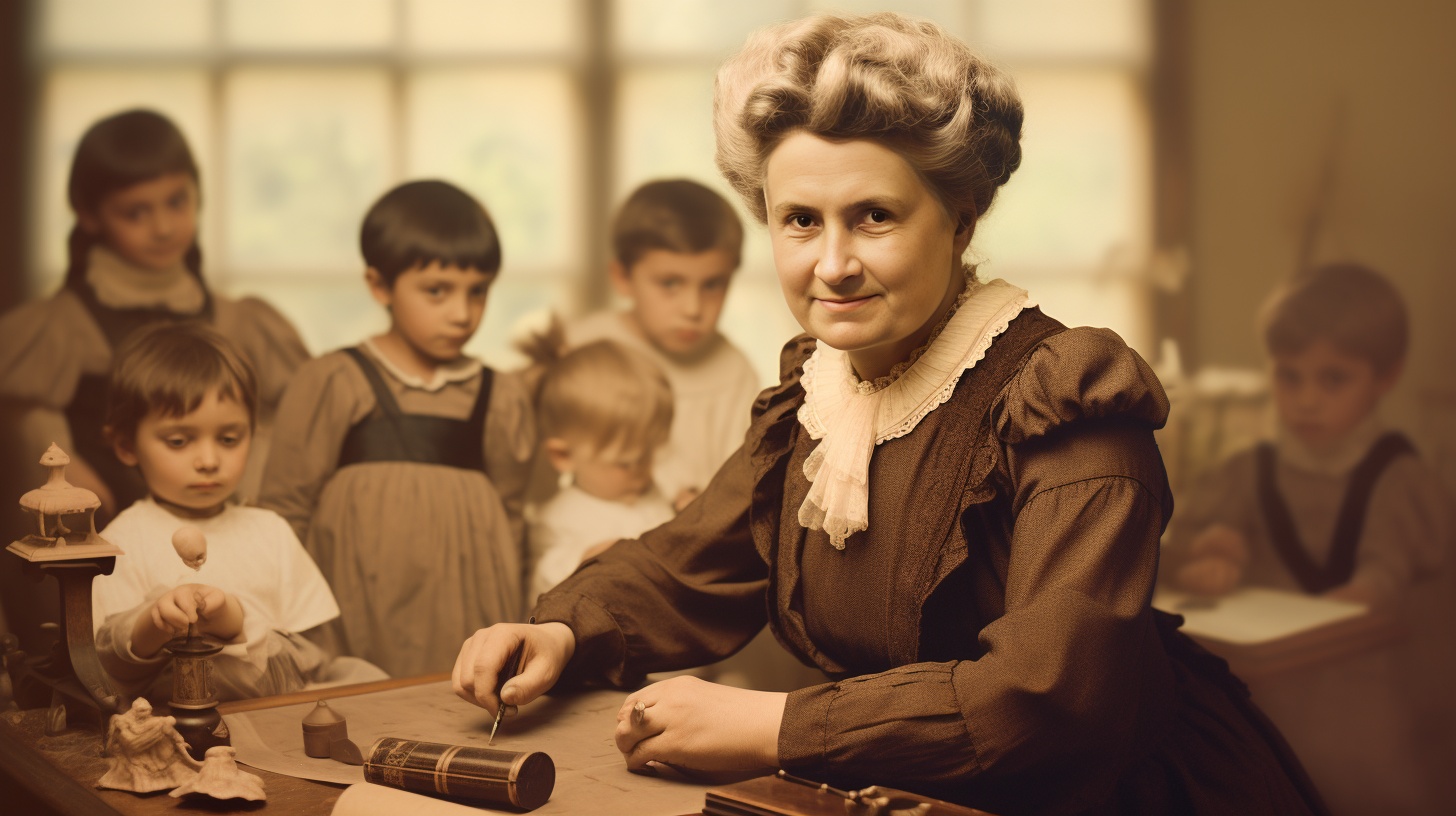
Maria Montessori was born on August 31, 1870, in Chiaravalle, Italy. She was a pioneering educator, physician, and advocate for children’s rights. Montessori’s life and work left an indelible mark on the field of education, and her innovative pedagogy continues to influence schools worldwide.
Montessori began her career in medicine and became one of Italy’s first female physicians in the early 20th century. However, her passion for education led her to explore new ideas in teaching and learning. She developed a keen interest in working with children with special needs, particularly those labelled as “unteachable” by traditional methods.
Ideas and Pedagogy
Montessori education was originally designed for children from birth to 18 years old, encompassing a wide age range. However, the method is most commonly associated with early childhood education, specifically for children between the ages of 3 to 6. This is the age group where Montessori principles are most widely and traditionally applied.
The Montessori method is characterised by its emphasis on hands-on, experiential learning, child-directed activities, and self-paced exploration, which align well with the developmental needs and characteristics of preschool and EYFS children. These early years are considered crucial for laying the foundation of a child’s lifelong love for learning, independence, and social skills, which are core tenets of Montessori education.
That said, Montessori principles can be and have been adapted for various age groups. Montessori elementary programs for children aged 6 to 12 exist and extend the approach into the primary grades. There are also Montessori middle and high schools that cater to older students. However, the availability of Montessori programs for older children can vary by region, and the approach may be modified to align with the specific needs and requirements of each age group.
- Child-Centred Learning: Montessori believed that each child is unique and should be allowed to progress at their own pace. Her pedagogy revolves around creating an environment where children can explore and learn independently, fostering self-motivation and a love for learning.
- Prepared Environment: Montessori classrooms are meticulously prepared to provide a range of materials and activities that stimulate children’s interests and curiosity. These materials are designed to be self-correcting, allowing children to learn through trial and error.
- Freedom and Responsibility: Montessori emphasized the importance of giving children a sense of autonomy and responsibility for their own learning. She believed that self-discipline arises when children are free to make choices within a structured environment.
- Multi-Age Classrooms: Montessori classrooms typically consist of mixed-age groups, allowing younger children to learn from older peers and older children to reinforce their learning by teaching younger ones. This approach fosters a sense of community and cooperation.
- Observation and Guidance: Montessori teachers act as observers and guides, carefully observing each child’s progress and interests. They intervene when necessary to offer guidance and support, but they generally avoid interrupting a child’s work.
Montessori in Primary Schools and EYFS Today
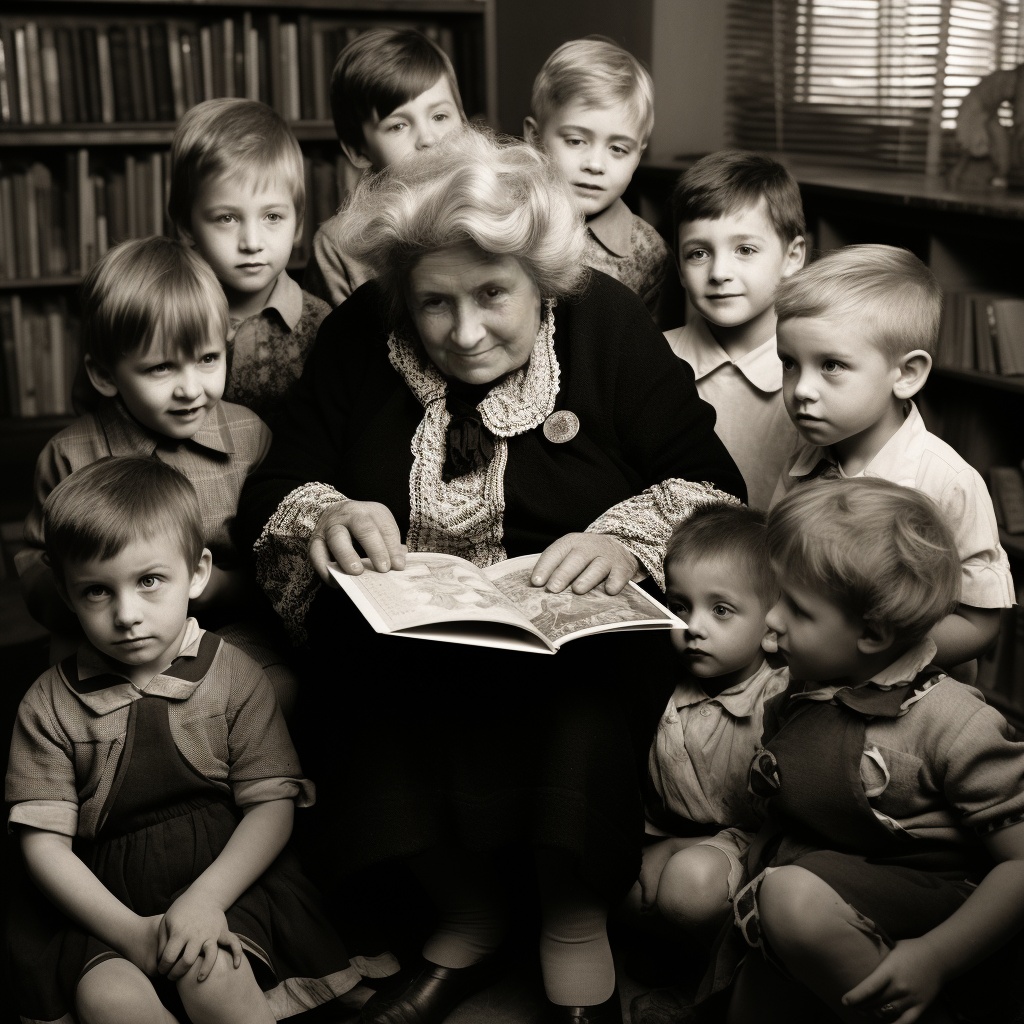
Montessori’s ideas and pedagogy have had a lasting impact on education, even beyond the Montessori schools she initially established. Here’s how her principles are implemented in primary schools and Early Years Foundation Stage (EYFS) programs today:
- Child-Centred Learning: Many primary schools and EYFS programs incorporate child-centred approaches that value each child’s individuality and pace of development. Teachers aim to create environments that encourage exploration and independent learning.
- Play-Based Learning: EYFS programs often emphasise play-based learning, which aligns with Montessori’s philosophy of hands-on, experiential education. Play is seen as a valuable tool for children’s cognitive and social development.
- Flexible Learning Spaces: Some primary schools have adopted flexible classroom setups that encourage movement and collaboration, similar to the Montessori prepared environment.
- Holistic Development: Montessori’s focus on holistic development, including cognitive, social, emotional, and physical aspects, has influenced educational frameworks and curricula globally.
- Teacher as Guide: Teachers in contemporary primary schools and EYFS settings may take on roles as facilitators and guides, allowing children to take ownership of their learning.
While not all primary schools and EYFS programs fully embrace Montessori principles, her legacy endures in the broader movement toward child-centred, experiential learning and the recognition of the importance of early childhood education in shaping a child’s future. Maria Montessori’s innovative ideas continue to shape the landscape of education, inspiring educators to prioritize the needs and interests of each child in their care.
 Mr Sanchez Tutoring