
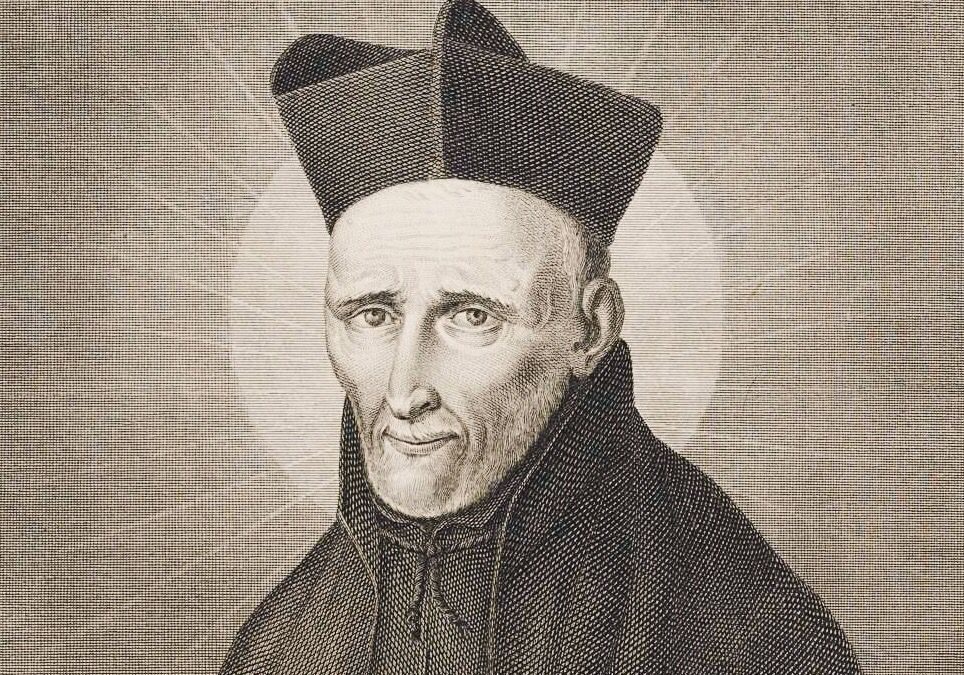
As a Spaniard, I’ve always heard about Joseph Calasanz, as there’s an annual bank holiday commemorating his life. He is known as the patron of teachers in Spain and is regarded as a pioneer in the development of modern education. Even though he lived in the 16th century, he laid the foundation for modern educational practices and underscored the importance of inclusive and compassionate teaching.
Early Life and Inspiration: Joseph Calasanz, born in 1557 in the Kingdom of Aragon, Spain, was destined for greatness. His early education was marked by a profound commitment to learning and a deep sense of compassion. This dual passion would become the driving force behind his life’s work.
The Piarists: A Vision for Education: Calasanz, a devout priest, recognised the dire need for accessible education, especially for the underprivileged and marginalised. In 1597, he founded the Pious Schools, or Piarists, in Rome. This educational order aimed to provide free education to poor children, regardless of their social or economic backgrounds. Calasanz’s vision was revolutionary for its time, advocating for an inclusive and holistic approach to education.

Innovations in Education: Joseph Calasanz introduced several ground-breaking concepts in education that continue to influence modern pedagogy:
- Universal Access: Calasanz believed that every child had the right to an education, irrespective of their social status. He opened his schools to children from all walks of life, ensuring that education was not a privilege but a fundamental right.
- Practical Curriculum: His curriculum emphasised practical skills and personal development, aiming to prepare students for real-world challenges. This forward-thinking approach is akin to modern concepts of experiential learning.
- Individualised Instruction: Calasanz recognised that each student had unique needs and abilities. He advocated for personalised instruction, tailoring teaching methods to suit individual learning styles.
- Inclusivity: Calasanz’s commitment to inclusivity extended to students with disabilities. He believed that every child deserved an education, regardless of physical or cognitive differences.
Compassion in Teaching: At the heart of Calasanz’s educational philosophy was compassion. He understood that a teacher’s role extended beyond academics; it encompassed guiding and nurturing young minds. His emphasis on empathy and kindness in teaching remains a powerful reminder of the profound impact educators can have on their students’ lives.
Legacy and Recognition: Joseph Calasanz’s legacy endures through the Piarist order, which continues to operate schools worldwide. His pioneering work earned him the title of “Patron Saint of Christian Popular Schools.” In 1948, Pope Pius XII canonised him, recognising his extraordinary contributions to education and compassion.
Applying Calasanz’s Principles Today: Educators and institutions can draw inspiration from Joseph Calasanz by:
- Embracing inclusive education that caters to diverse learners.
- Prioritising compassion, empathy, and holistic development in teaching.
- Fostering a love for learning by making education accessible to all.
Joseph Calasanz’s life reminds us that education should be a force for positive change, breaking down barriers and nurturing the potential in every child. His legacy continues to illuminate the path towards a more compassionate and equitable world through education.
Bibliography:
- Guasconi, E. (2003). A Precursor of Modern Pedagogy. Magisterial. https://www.magisterial.fsspx.org/en/content/precursor-modern-pedagogy-2741
- Joseph Calasanz. (n.d.). New Advent. https://www.newadvent.org/cathen/03181a.htm
- Joseph Calasanz. (n.d.). The Piarist Fathers. https://www.piarists.org/our-founder-joseph-calasanz
 Mr Sanchez Tutoring