

Throughout our journey in education, we encounter a beautiful paradox: that failure, rather than success, often serves as our greatest teacher. Imagine a world where every task is effortlessly conquered, where every challenge is mere child’s play. While it may sound idyllic, it’s a world devoid of the essential ingredients for true learning and growth: failure, resilience, and effort.

A Lesson From a 4-Year-Old
As I reflect on the profound connection between failure, learning, resilience, and effort, I’m reminded of a heart-warming classroom moment. Today, I witnessed a little 4-year-old girl in my class eagerly engaged in building a tall tower using interlocking cubes. Her determination was awe-inspiring. The tower she was assembling would reach impressive heights, only to collapse moments later. Yet, undeterred by the recurring setbacks, she persistently continued her efforts, her eyes filled with joy and firm determination.
This young child’s relentless pursuit of building a taller tower embodied the principles we’ve discussed. She embraced failure with open arms, recognising that each collapse was an opportunity to learn and improve. Her resilience was remarkable, and her effort was almost obstinate. This innocent act of building a tower becomes a vivid illustration of how, even at the tender age of 4, one can embody the essence of growth through the interplay of failure, learning, resilience, and relentless effort. It’s a poignant reminder that these principles are not limited to academia but are life’s universal teachers, shaping us from our earliest years and guiding us on the path of lifelong learning and personal development.
Learning and Failure
Certainly, the connection between failure, learning, resilience, and effort is a profound one. In the journey of personal and intellectual growth, failure often serves as a catalyst for learning and improvement. When we attempt tasks that are well within our comfort zones, we may succeed consistently, but the scope for learning diminishes. It’s in the face of challenges and potential failure that our cognitive and emotional muscles truly flex.

Failure becomes a teacher, offering valuable lessons and insights that success often cannot provide. Each setback presents an opportunity to analyse, adapt, and persevere. This process fosters resilience, a crucial trait in navigating life’s ups and downs. Resilience is not about avoiding failure but rather about bouncing back from it with renewed determination. It’s the ability to view failure not as a dead-end but as a detour on the road to progress.
Effort and Progress
Effort is the fuel that propels this cycle of growth. It’s the commitment to keep trying, even when faced with adversity. Effort transforms failure into a stepping stone rather than a stumbling block. It’s the bridge between setbacks and success, and it underscores that true learning and progress demand consistent dedication and a willingness to embrace the discomfort of failure. In essence, failure, resilience, and effort are interconnected elements of a dynamic process through which individuals evolve, learn, and ultimately reach their full potential.
Research
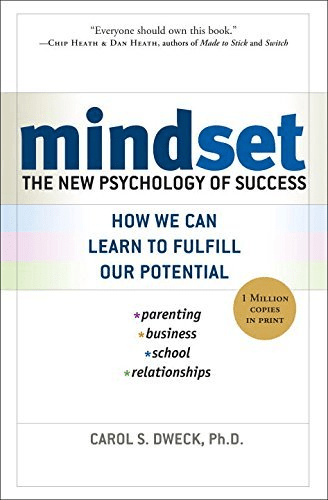
Research studies have harmonised with this symphony of learning and failure. Psychologist Carol Dweck’s work on the “growth mindset” reveals how our beliefs about our abilities can influence our willingness to take on challenges. Individuals with a growth mindset tend to embrace failure as an opportunity to learn and grow, viewing effort as the path to mastery.
The Transformation Continues
Experiences like the one observed in the 4-year-old girl can have a significant impact on her future development. Here’s why:
Resilience: The determination to build a tall tower despite repeated failures cultivates resilience. This early exposure to resilience can help her cope better with challenges and setbacks in the future. She learns that persistence can lead to success.
Growth Mindset: Facing failure at a young age can instil a growth mindset. She may develop a belief that abilities and intelligence can be developed through effort and learning, rather than being fixed traits. This mindset can boost her willingness to take on challenges throughout her life.
Problem-Solving Skills: Building the tower involves problem-solving. Learning how to troubleshoot and adapt her approach at a young age sets a foundation for strong problem-solving skills, which are valuable in various aspects of life.
Independence and Confidence: Each attempt, even when the tower collapsed, likely contributed to a sense of independence and self-confidence. She may grow up with the belief that she can tackle difficult tasks on her own.
Perseverance: Perseverance is a key trait for success. Her determination to keep trying despite failure is a crucial life skill. It can help her in academic pursuits, career challenges, and personal goals.
Love for Learning: Experiences that emphasise the joy of learning, like building a tower, can foster a lifelong love for learning. This intrinsic motivation can lead her to explore new interests and excel in various areas as she grows.
In essence, this early experience embodies essential life skills and attitudes that can positively influence her future, helping her navigate obstacles, pursue her passions, and achieve her goals with resilience and determination.
Bibliography:
- Dweck, C. S. (2006). Mindset: The New Psychology of Success. Ballantine Books.
 Mr Sanchez Tutoring
One thought on “Failure, Resilience and Learning: A Lifelong Symphony”