

This week, I start a brand new chapter in my teaching journey as a Reception teacher at Cippenham School. It’s a significant change for me, having spent years teaching in Primary education. The move to Early Years Foundation Stage (EYFS) comes with its unique set of challenges and opportunities.

One of the most striking differences is the curriculum itself. In Primary, the curriculum is like a well-trodden path with clear milestones and expectations. But in EYFS, it’s more like an open field with broader goals, emphasising the foundation of learning rather than structured subjects. This shift has led me to re-evaluate my teaching approach and focus on different areas of development one at a time.
In this first week in Reception, I’ve chosen to set my sights on mathematics. This choice isn’t random; it’s a deliberate decision to start with a crucial aspect of early education. Here’s why.
Early mathematics, or numeracy, is the cornerstone of a child’s cognitive development. It forms the basis for understanding more complex mathematical concepts in the future. Laying a strong foundation in numeracy during their Reception year will help my pupils build confidence and curiosity in the world of numbers. This isn’t just about counting or learning to write numbers; it’s about fostering a love for problem-solving, critical thinking, and exploring mathematical ideas.
But why start with mathematics specifically? The answer lies in the way young minds naturally engage with the world. Children are innately curious and observant. They are constantly exploring, asking questions, and making connections. Mathematics, in its purest form, is all about patterns, relationships, and making sense of the world around us. It’s a language that children can begin to understand from a very early age.
For these reasons I have decided to design a Maths Area including the following activities:
Number Recognition: Numbers are the building blocks of maths, and developing a solid foundation in number recognition is key. To achieve this, I’m planning to create a dynamic and engaging Number Wall in our classroom. The wall will feature big, bold numerals from 1 to 10, each accompanied by a playful display of dots or objects corresponding to the number. It’s not just about recognition; it’s about making numbers come alive.

Shapes and Patterns: Beyond numbers, I’m excited to dive into shapes and patterns. The world around us is full of shapes, and helping my young learners identify and understand them is a significant milestone. To make this journey fun, I’ve prepared a shape hunt. Everyday objects like circular plates, square books, and those trusty triangular building blocks will be scattered in a bin, inviting our little explorers to touch, feel, and identify these shapes. And what’s more, whenever we have an opportunity, we’ll be turning art time into an adventure with shape stencils and templates.
Sorting and Classifying: Learning to categorise and classify is an important cognitive skill. To nurture this ability, I’m bringing in sorting games. We’ll start with everyday objects like buttons, beads, and leaves, allowing children to sort them based on various attributes like colour, size, or shape. It’s a hands-on approach to developing critical thinking skills.

Early Counting Skills: Counting is where the magic begins. To ignite that spark, I’ll encourage children to count their fingers and toes. It’s not just about numbers; it’s about promoting body awareness and fostering counting skills. And for some added fun, we’ll use everyday items like apples or toys for hands-on counting practice. One apple, two apples, three apples… you get the idea.

Measurement and Patterns: Measuring things is not just for adults; it’s a skill that starts early. We’ll create a height chart where children can measure and compare their heights, turning a simple activity into a math adventure. And speaking of adventures, we’ll dive into the concept of full, empty, and half-full by using containers of different sizes. It’s hands-on exploration at its best.
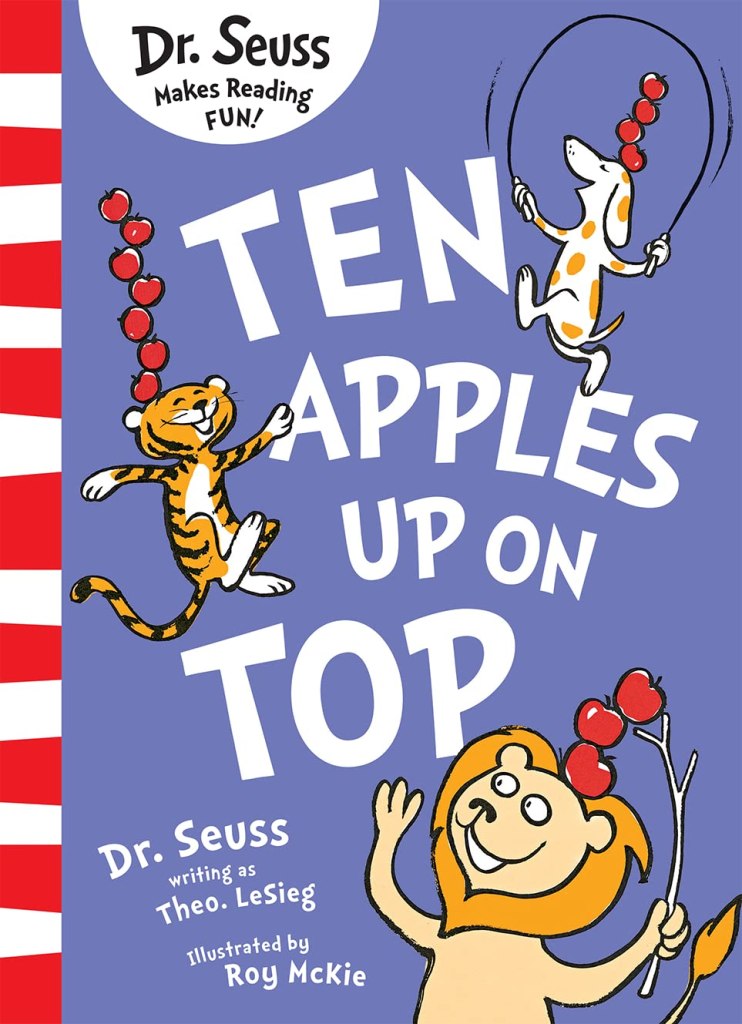
Number Stories and Math Games: Learning doesn’t have to be confined to textbooks. We’ll bring numbers to life through stories, like Dr. Seuss’ “Ten Apples Up on Top!” It’s a fantastic way to integrate storytelling into numeracy. And who can resist some good old-fashioned math games? Dice games and matching games will make learning both entertaining and educational.
Daily Routines and Outdoor Adventures: Math is everywhere, even in our daily routines. We’ll mark days on the calendar, discuss the date, and count the days of school during calendar time. And let’s not forget snack time, where we’ll introduce concepts like sharing and dividing equally. Math can even find its way into outdoor play with a number scavenger hunt and some hopscotch fun.
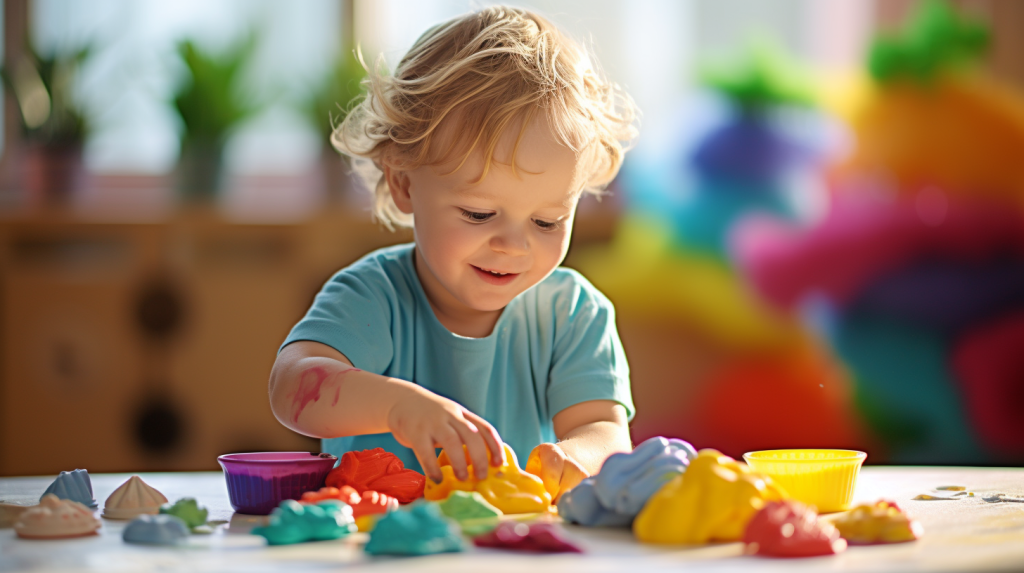
Sensory Math: Finally, we’ll embrace sensory play. Numbers meet playdough as we incorporate numerals into playdough activities. And for tactile learning, we’ll use sensory trays filled with sand or rice to practice writing numbers. It’s all about making math a hands-on and immersive experience.
As I stand on the threshold of this exciting journey into EYFS, I’m aware of the challenges ahead, including the possibility of parents in denial. Some parents may be reluctant to admit that their child needs extra help or specialized attention. It’s essential for us, as educators and caregivers, to create a supportive and open environment where parents feel comfortable discussing their child’s needs.
So, here’s to new beginnings and numeracy adventures with our little learners. I can’t wait to see the progress and growth that this year will bring, both for them and for myself as I navigate this new and exciting terrain in EYFS.
If you’d like to learn more about teaching numeracy, check these blog posts:
Early Numeracy: Infants’ Discrimination Abilities
Discover infants’ discrimination abilities and their significance in early cognitive development. From distinguishing between different visual and auditory stimuli to showing numerical sensitivity, young children exhibit remarkable perceptual skills from an early age. Explore the implications for their future mathematical learning. This article dives into the developmental trajectory of…

Early Numerical Sensitivity in Children
Discover the early numerical sensitivity in children and witness the remarkable world of their mathematical development. Learn how young minds grasp numerical concepts, from infancy to early primary school years. This article explores child development, learning and numeracy from the lens of reputable professionals and their research.
Early Numeracy: Simple Arithmetic Operations
Learn about Karen Wynn’s revolutionary research on early numerical development. Discover how even the youngest children possess innate mathematical abilities, and explore practical strategies to nurture their numerical sensitivity. This article will be help for both parents and educators understand how young children learn maths.
 Mr Sanchez Tutoring