
The Galatea Effect represents a powerful phenomenon that emphasises the role of self-belief and potential in shaping children’s performance and achievements. Drawing parallels to the Pygmalion Effect, the Galatea Effect highlights the significant impact of individuals’ self-expectations on their outcomes. In this blog post, I look into the research behind the Galatea Effect, explore its connection to the Pygmalion Effect, and provide practical ideas for teachers to try this transformative concept in their classrooms.
Understanding the Galatea Effect
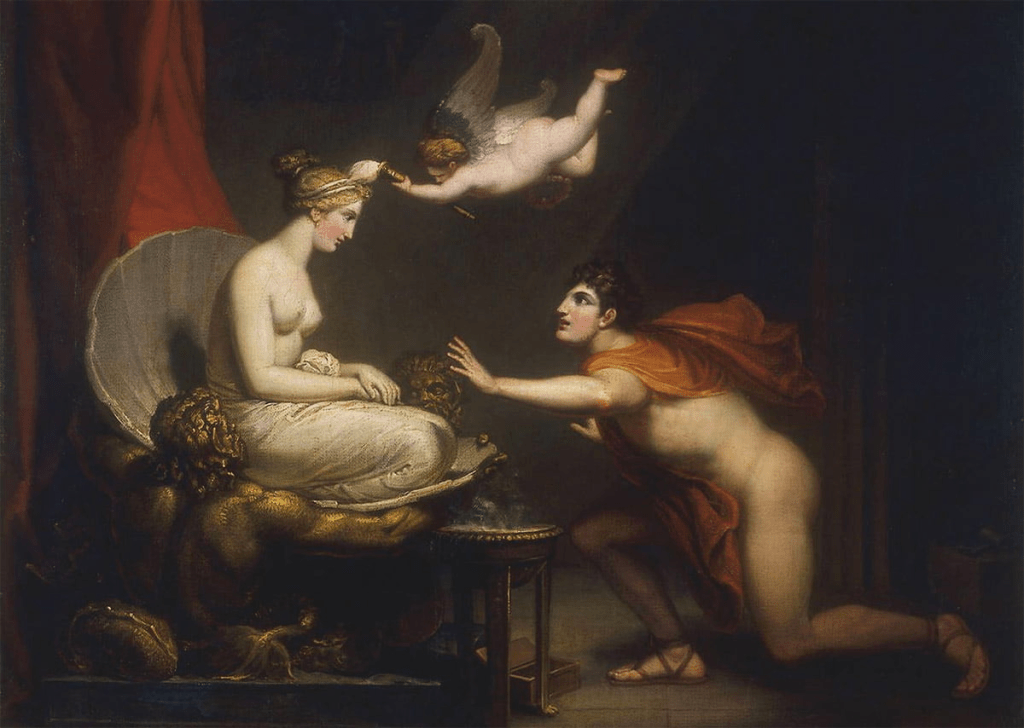
The Galatea Effect is named after the mythical figure Galatea, a statue brought to life by the power of belief. It refers to the phenomenon where individuals’ belief in their own abilities and potential significantly influences their performance. The concept was first introduced by psychologist Albert Bandura in the 1970s.
Bandura proposed the Galatea Effect as a concept within the broader framework of self-efficacy theory. According to Bandura, self-efficacy refers to an individual’s belief in their own capabilities to successfully accomplish tasks and achieve goals. The Galatea Effect, within this theory, describes the phenomenon where individuals’ belief in their own abilities significantly influences their performance and outcomes.
Bandura explained that when individuals possess high self-efficacy, they are more likely to set ambitious goals, exert greater effort, and persevere through challenges. This positive self-belief acts as a powerful motivator, driving individuals to take initiative, engage in proactive behaviours, and tackle difficult tasks with confidence. As a result, individuals with high self-efficacy are more likely to achieve success in their endeavours.
Conversely, individuals with low self-efficacy may doubt their abilities, leading to self-doubt, reduced effort, and avoidance of challenging situations. This negative self-perception can become a self-fulfilling prophecy, as the lack of confidence can hinder performance and limit achievement.
The Galatea Effect highlights the significance of an individual’s own belief in their potential and abilities. When people have a strong belief in their capabilities, they are more likely to strive for success, persevere through setbacks, and achieve their goals. This internalised self-belief can shape their behaviour, choices, and performance, creating a positive cycle of accomplishment.

In educational settings, understanding and promoting the Galatea Effect can have profound implications for student success. By promoting students’ self-efficacy, educators can empower them to take ownership of their learning, set high goals, and approach challenges with resilience and determination. Emphasising the Galatea Effect alongside the Pygmalion Effect, which focuses on teacher expectations, can create a comprehensive approach to fostering positive academic outcomes and nurturing students’ potential to excel.
Linking the Galatea Effect to the Pygmalion Effect
The Galatea Effect and the Pygmalion Effect are intertwined in their core principles. While the Pygmalion Effect emphasises the impact of external expectations (such as teachers’ beliefs) on students’ performance, the Galatea Effect places emphasis on the internal self-belief and self-expectations of students. Together, these two effects create a powerful cycle, where positive expectations from external sources can lead to increased self-belief and, in turn, enhanced performance.
Research and Evidence
Numerous studies have supported the presence of the Galatea Effect across various domains, including academic performance, athletic achievements, and professional success. Researchers have found that students who possess higher levels of self-efficacy tend to set ambitious goals, persevere through challenges, and exhibit greater motivation to succeed.
Practical Applications for Educators
- Cultivating Growth Mindset: Implement a growth mindset in your classroom, encouraging students to believe that their abilities can be developed through effort and dedication. Praise their efforts, not just their achievements, and celebrate mistakes as learning opportunities.
- Goal Setting and Reflection: Teach students to set realistic and attainable goals and regularly reflect on their progress. Students can build confidence in their abilities if teachers encourage self-assessment and self-monitoring.
- Encourage Positive Self-Talk: Help students recognise negative self-talk and replace it with positive affirmations. Emphasise the importance of using words like “I can” and “I will” to boost self-efficacy.
- Provide Autonomy and Choice: Allow students to have some autonomy in their learning, such as choosing projects or topics of interest. Giving them ownership over their education enhances their sense of control and self-belief.
- Constructive Feedback: Offer constructive and specific feedback that highlights areas of improvement and growth. Encourage students to see feedback as an opportunity for development, rather than a judgment of their abilities.
- Role Models and Mentors: Introduce students to role models and mentors who have achieved success through hard work and perseverance. Hearing inspiring stories can create the belief that they, too, can achieve greatness.
Conclusion
The Galatea Effect reminds us of the great impact of self-belief and self-expectations in shaping students’ academic journey. We know now that teachers can empower their students to surpass perceived limitations and unlock their full potential if they build a growth mindset, providing constructive support, and encouraging positive self-talk. The Galatea Effect alongside the Pygmalion Effect create a powerful synergy, laying the groundwork for a transformative educational experience that nurtures lifelong learners and confident individuals.
Bibliography:
Bandura, A. (1982). Self-efficacy mechanism in human agency. American Psychologist, 37(2), 122-147.
Rosenthal, R., & Jacobson, L. (1968). Pygmalion in the Classroom: Teacher Expectation and Pupils’ Intellectual Development. Holt, Rinehart & Winston.
Bandura, A. (1977). Self-efficacy: Toward a unifying theory of behavioural change. Psychological Review, 84(2), 191-215.
Dweck, C. S. (2006). Mindset: The New Psychology of Success. Ballantine Books.
Hattie, J. (2012). Visible Learning for Teachers: Maximizing Impact on Learning. Routledge.
Yeager, D. S., & Dweck, C. S. (2012). Mindsets that promote resilience: When students believe that personal characteristics can be developed. Educational Psychologist, 47(4), 302-314.
More interesting research in these blog posts:

 Mr Sanchez Tutoring
One thought on “The Galatea Effect: Children’s Learning Through Belief and Potential”