
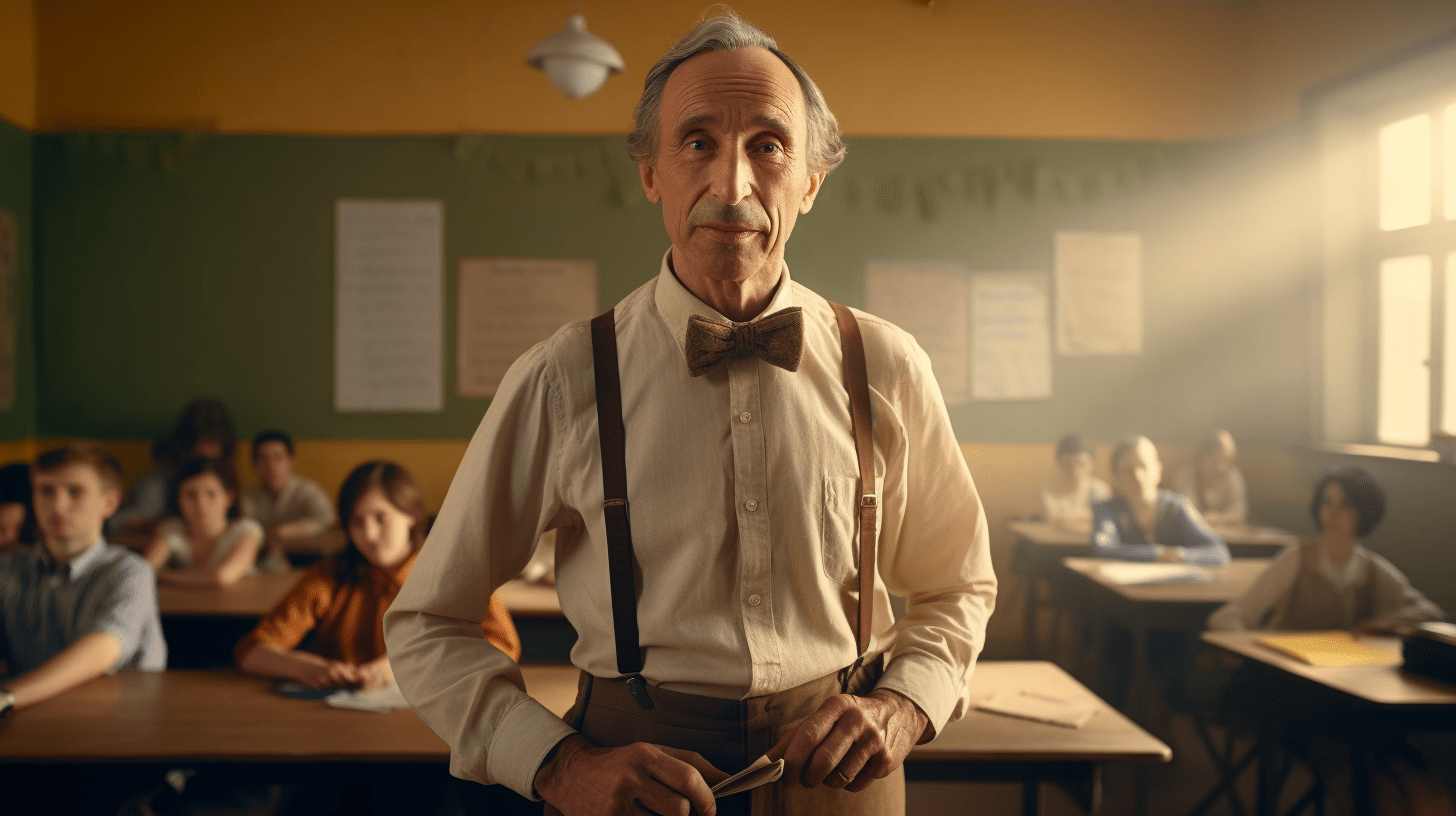
Ivan Illich, a visionary philosopher, critic, and social thinker, made significant contributions to the field of education with his radical ideas and thought-provoking critiques. I’ve always been intrigued about his life, his research endeavours and the techniques he employed in his studies. I never found any information about Illich being an educator or having any experience in teaching. However, his radical ideas resonated with me since my time at the Faculty of Education in Madrid. Today, his educational theories continue to influence and shape primary classrooms worldwide and I wanted to deepen a little more my understanding about his life and the impact of his ideas on modern classrooms.
Life and Background of Ivan Illich
Born in Vienna in 1926, Ivan Illich had a diverse educational background, which included studies in philosophy, theology, and history. He pursued his doctoral studies in history at the Pontifical Gregorian University in Rome, where he developed a deep interest in the relationship between education, society, and power dynamics. This curiosity laid the foundation for his innovative research in the field of education.
Illich grew up in a multilingual household, which reinforced his passion for languages and cultural diversity. He pursued his education at various institutions, studying history, theology, and philosophy. During this period, Illich was influenced by his experiences in Austria and the United States, where he witnessed the stark differences in educational systems and social inequality.
Clerical and Academic Career:
After completing his studies, Illich was ordained as a Catholic priest in 1951. He dedicated several years to pastoral work in South America, particularly in Puerto Rico and Mexico. These experiences exposed him to the challenges faced by marginalised communities and formed his critical perspective on institutionalised systems.
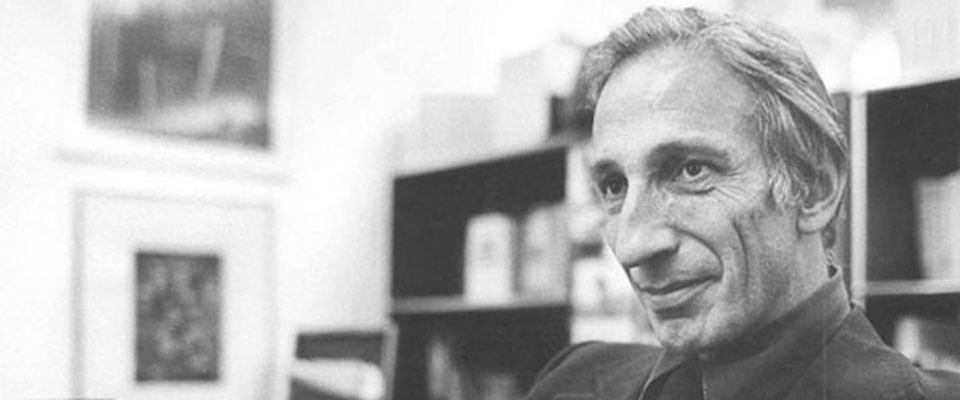
Illich’s academic career flourished during his time as a professor at various universities, including the Catholic University of Puerto Rico and the University of Cuernavaca in Mexico. He became known for his interdisciplinary approach and engaged with topics such as social justice, technology, and education.
The Critique of Modern Institutions:
Illich’s most influential works emerged during the 1970s, where he focused on analysing and challenging the negative consequences of institutionalisation. In books such as “De-schooling Society” (1971) and “Tools for Conviviality” (1973), he critiqued centralised systems, including education, arguing that they hinder individual freedom, creativity, and authentic human relationships.
Research and Techniques Employed
Ivan Illich conducted extensive research on education, challenging traditional institutions and advocating for learner autonomy and empowerment. In “De-schooling Society” he questioned the monopolisation of education by formal institutions and called for a radical transformation of the learning process. Illich emphasised the need for decentralised, learner-centred approaches that promoted self-directed learning.

To support his research, Illich employed a variety of techniques. He engaged in extensive fieldwork and observational studies, visiting schools, communities, and alternative learning spaces. Through interviews, conversations, and immersion experiences, Illich gained first-hand insights into the shortcomings of formal education systems. He also drew upon interdisciplinary research, incorporating philosophy, sociology, and anthropology to develop a comprehensive understanding of education’s role in society.
Locations of Research
Ivan Illich developed his research in various locations worldwide, seeking to understand the diverse educational systems and practices that existed. He conducted research in Latin America, particularly in Mexico, where he critiqued the institutionalisation of education and explored alternative learning models. Illich’s time spent in Mexico significantly influenced his ideas and allowed him to witness the transformative power of community-based learning initiatives.
Additionally, Illich studied education in different cultural contexts, including India and the United States. These experiences broadened his perspective on the global nature of educational challenges and provided him with valuable insights into how societal factors influence learning and personal development.
Implementing Illich’s Theory in Primary Classrooms Today
Ivan Illich’s educational theories continue to inspire teachers in primary classrooms today, promoting learner-centred and self-directed approaches. His emphasis on de-schooling and deinstitutionalising education has led to the emergence of alternative learning models, such as home-schooling, unschooling, and project-based learning.

In primary classrooms, Illich’s ideas manifest through a focus on student agency, active participation, and authentic learning experiences. Educators strive to create environments that cultivate critical thinking, creativity, and collaboration. They encourage students to pursue their passions, set goals, and engage in self-reflection. Additionally, Illich’s theories have influenced pedagogical practices that promote community involvement, social justice, and the integration of real-world contexts into the curriculum.
Conclusion
Ivan Illich’s research and ideas have left an indelible mark on the field of education. His critiques of traditional schooling systems and advocacy for learner empowerment continue to inspire educators and challenge the status quo. Illich has paved the way for more inclusive, learner-centred approaches in primary classrooms by questioning the prevailing norms and exploring alternative educational models. As we navigate the ever-evolving landscape of education, Illich’s vision of self-directed learning and the liberation of education remains a powerful reminder of the transformative potential of education for individuals and society as a whole.
BIBLIOGRAPHY
Illich, I. (1971). Deschooling Society. Harper & Row.
Illich, I. (1973). Tools for Conviviality. Harper & Row.
Greenberg, D. (1987). Ivan Illich: Critic of Education and Society. Karnac Books.
Freire, P., & Illich, I. (1993). Ivan Illich: Conversation. Marion Boyars Publishers.
 Mr Sanchez Tutoring