

In today’s classrooms, it is critical for teachers to have a great level of understanding of the most common Special Educational Needs (SEN) and the strategies and resources available to support these students. This quick guide aims to clarify some of the most frequent SEN, explore their causes, highlight challenges faced by both children and teachers, and provide valuable strategies and external agencies that can assist in meeting the unique needs of these learners.
Attention Deficit Hyperactivity Disorder (ADHD)

CAUSES: ADHD is a neurodevelopmental disorder that can be caused by a combination of genetic, environmental, and neurological factors.
TYPES:
- Predominantly Inattentive Presentation: Children may struggle with organising and completing tasks, paying attention to details, and following instructions or conversations. They are easily distracted and often forget important information or routines.
- Predominantly Hyperactive-Impulsive Presentation: Children with this presentation tend to be restless and talkative. They find it challenging to remain still for extended periods, whether it’s during a meal or while completing homework. Younger children may engage in constant running, jumping, or climbing. Impulsivity is also a characteristic, resulting in frequent interruptions, grabbing things from others, and speaking out of turn. Following directions and waiting their turn can be difficult, and impulsiveness may lead to more accidents and injuries.
- Combined Presentation: Some children exhibit symptoms of both inattention and hyperactivity-impulsivity. They may struggle with focus, organisation, restlessness, and impulsive behaviours in varying degrees.
CHALLENGES FOR CHILDREN: Students with ADHD often struggle with impulse control, attention span, and hyperactivity. They may find it challenging to stay focused, follow instructions, and complete tasks.
CHALLENGES FOR TEACHERS: Teachers may face difficulties in managing the classroom environment, providing individualised attention, and maintaining student engagement.
STRATEGIES: Creating structured routines, implementing visual supports, breaking tasks into manageable chunks, and providing frequent breaks can help students with ADHD. Additionally, using positive reinforcement, implementing behaviour management strategies, and collaborating with parents can contribute to their success.

EXTERNAL AGENCIES: Local child and adolescent mental health services, educational psychologists, and support groups can offer guidance and specialized assistance.
Useful Resources: “Taking Charge of ADHD” by Russell A. Barkley, “The ADHD Workbook for Kids” by Lawrence E. Shapiro.
Autism Spectrum Disorder (ASD)

CAUSES: ASD is a complex developmental disorder with a combination of genetic and environmental factors contributing to its onset.
TYPES:
- Social Communication Challenges: Some children with ASD struggle with social interactions and communication. They may have difficulty understanding nonverbal cues, maintaining eye contact, or engaging in reciprocal conversations. Social situations may cause anxiety, and they may prefer solitary activities over social interactions.
- Restricted and Repetitive Behaviours: Another characteristic of ASD is the presence of restricted and repetitive behaviours. Children may display repetitive movements, such as rocking or hand-flapping, or have specific routines and rituals that they adhere to strictly. They may also exhibit intense interests in specific topics or objects and become distressed when these interests are disrupted.
- Sensory Sensitivities: Sensory sensitivities are common in children with ASD. They may have heightened or reduced sensitivity to sensory stimuli, such as certain sounds, lights, textures, or tastes. These sensitivities can impact their daily functioning and may lead to avoidance or seeking of specific sensory experiences.
CHALLENGES FOR CHILDREN: Students with ASD may struggle with social interactions, communication, sensory sensitivities, and repetitive behaviours. They may require additional support to navigate the social and academic aspects of school life.
CHALLENGES FOR TEACHERS: Teachers may face challenges in promoting social inclusion, adapting teaching methods, and providing a structured and predictable environment for students with ASD.
STRATEGIES: Using visual aids, implementing clear routines and visual schedules, providing social skills training, and offering sensory accommodations can be beneficial for students with ASD. Collaborating with specialists, such as speech and language therapists or occupational therapists, can also be valuable.
EXTERNAL AGENCIES: National Autistic Society, Autism Education Trust, local autism support organizations, and local authority SEN teams.
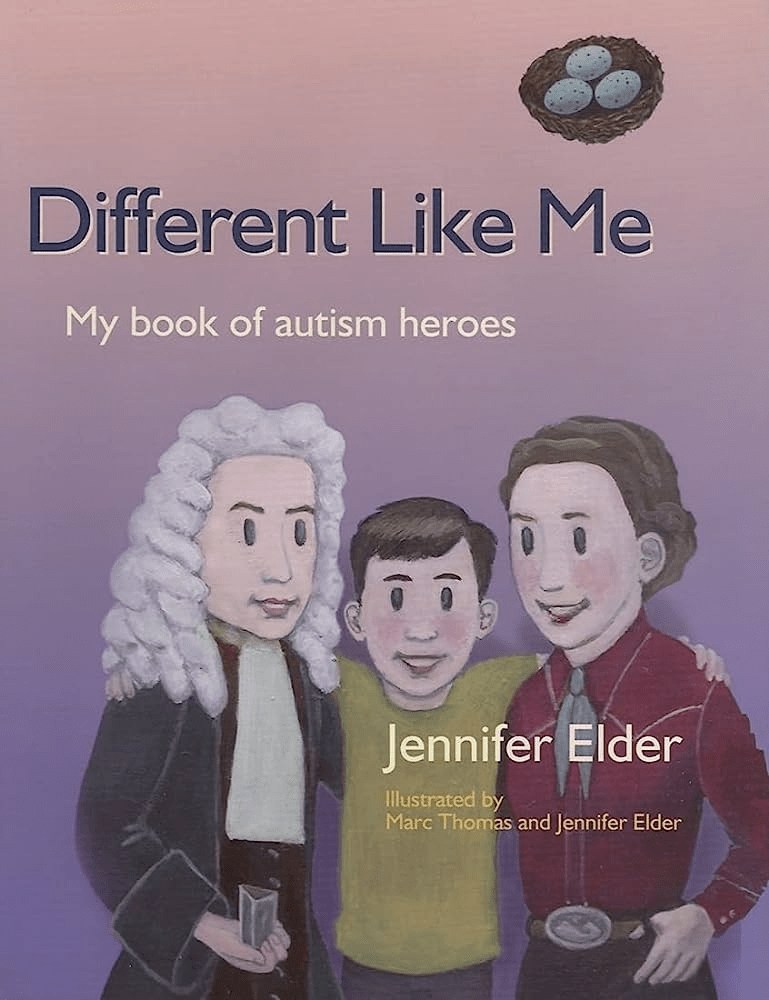
Useful Resources: “The Complete Guide to Asperger’s Syndrome” by Tony Attwood, “Different Like Me: My Book of Autism Heroes” by Jennifer Elder.
Specific Learning Difficulties (Dyslexia, Dyscalculia, Dysgraphia)

CAUSES: Specific Learning Difficulties are neurological in nature and can be caused by genetic factors or differences in brain development.
TYPES:
- Dyslexia: Dyslexia primarily affects reading and language processing skills. Children with dyslexia may struggle with accurate and fluent reading, phonological awareness, decoding words, and spelling. They may also have difficulty comprehending written text and expressing themselves in writing.
- Dyscalculia: Dyscalculia refers to difficulties in mathematical abilities and number sense. Children with dyscalculia may have difficulty understanding number concepts, recognising mathematical symbols, and performing mathematical calculations. They may also struggle with sequencing, telling time, and estimating quantities.
- Dysgraphia: Dysgraphia involves challenges with writing skills and written expression. Children with dysgraphia may have illegible handwriting, difficulty with letter formation, spacing, and organisation on the page. They may struggle with expressing their thoughts in writing and have difficulty with spelling and grammar.
CHALLENGES FOR CHILDREN: Students with specific learning difficulties may struggle with reading (dyslexia), mathematics (dyscalculia), or writing (dysgraphia). They may experience difficulties in processing and retaining information in these specific areas.
CHALLENGES FOR TEACHERS: Educators may face challenges in delivering differentiated instruction, providing appropriate differentiation, and building students’ self-esteem and confidence.
STRATEGIES: Using multisensory teaching techniques, providing assistive technology, breaking down complex tasks, and offering additional support and practice can benefit students with specific learning difficulties. Accessing specialist support from dyslexia or dyscalculia specialists can also be helpful.
EXTERNAL AGENCIES: British Dyslexia Association, Dyslexia Action, Dyscalculia.org.
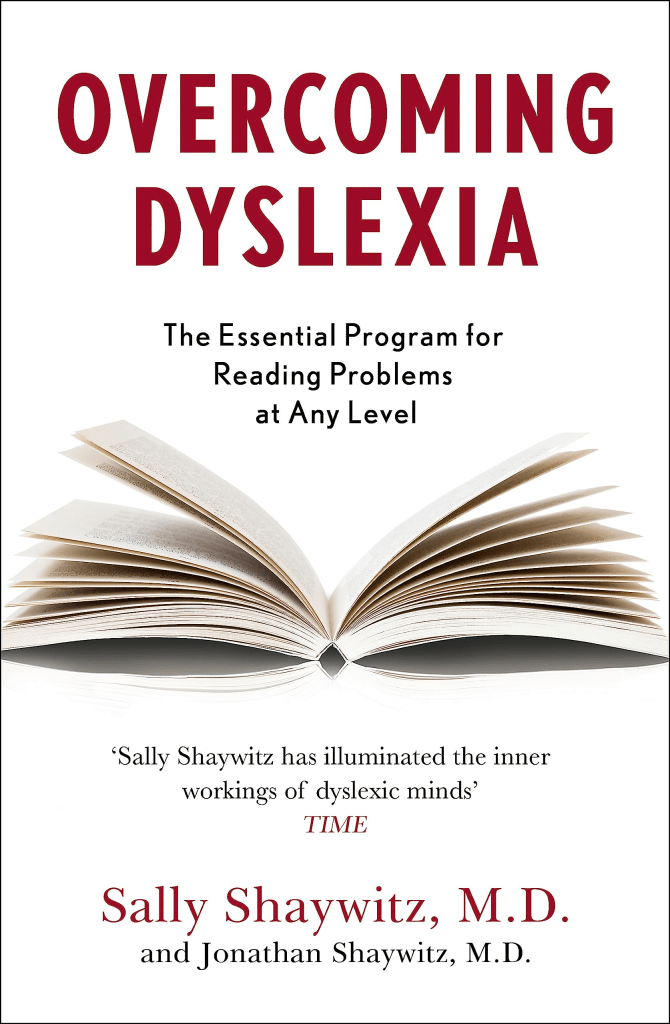
Useful Resources: “Overcoming Dyslexia” by Sally Shaywitz, “Dyscalculia Toolkit” by Ronit Bird.
Understanding and supporting students with special educational needs is crucial for creating inclusive and effective learning environments. By recognizing the causes, challenges, and strategies associated with common SEN, educators can provide targeted interventions and access external agencies and resources that can further enhance support. Through collaboration and a commitment to individualized instruction, we can empower all students to reach their full potential and thrive in their educational journey.
References:
Barkley, R. A. (2013). Taking Charge of ADHD: The Complete Authoritative Guide for Parents (3rd ed.). The Guilford Press.
Shapiro, L. E. (2010). The ADHD Workbook for Kids: Helping Children Gain Self-Confidence, Social Skills, and Self-Control. Instant Help Books.
Attwood, T. (2007). The Complete Guide to Asperger’s Syndrome. Jessica Kingsley Publishers.
Elder, J. (2006). Different Like Me: My Book of Autism Heroes. Jessica Kingsley Publishers.
Shaywitz, S. E. (2004). Overcoming Dyslexia: A New and Complete Science-Based Program for Reading Problems at Any Level. Vintage.
Bird, R. (2010). Dyscalculia Toolkit: Supporting Learning Difficulties in Maths (2nd ed.). LDA.
American Psychiatric Association. (2013). Diagnostic and Statistical Manual of Mental Disorders (5th ed.). American Psychiatric Publishing.
National Institute of Mental Health. (n.d.). Attention-Deficit/Hyperactivity Disorder. Retrieved from https://www.nimh.nih.gov/health/topics/attention-deficit-hyperactivity-disorder-adhd/index.shtml
Additional Resources:
- National Autistic Society: www.autism.org.uk
- Autism Education Trust: www.autismeducationtrust.org.uk
- British Dyslexia Association: www.bdadyslexia.org.uk
- Dyslexia Action: www.dyslexiaaction.org.uk
- Dyscalculia.org: www.dyscalculia.org
 Mr Sanchez Tutoring