
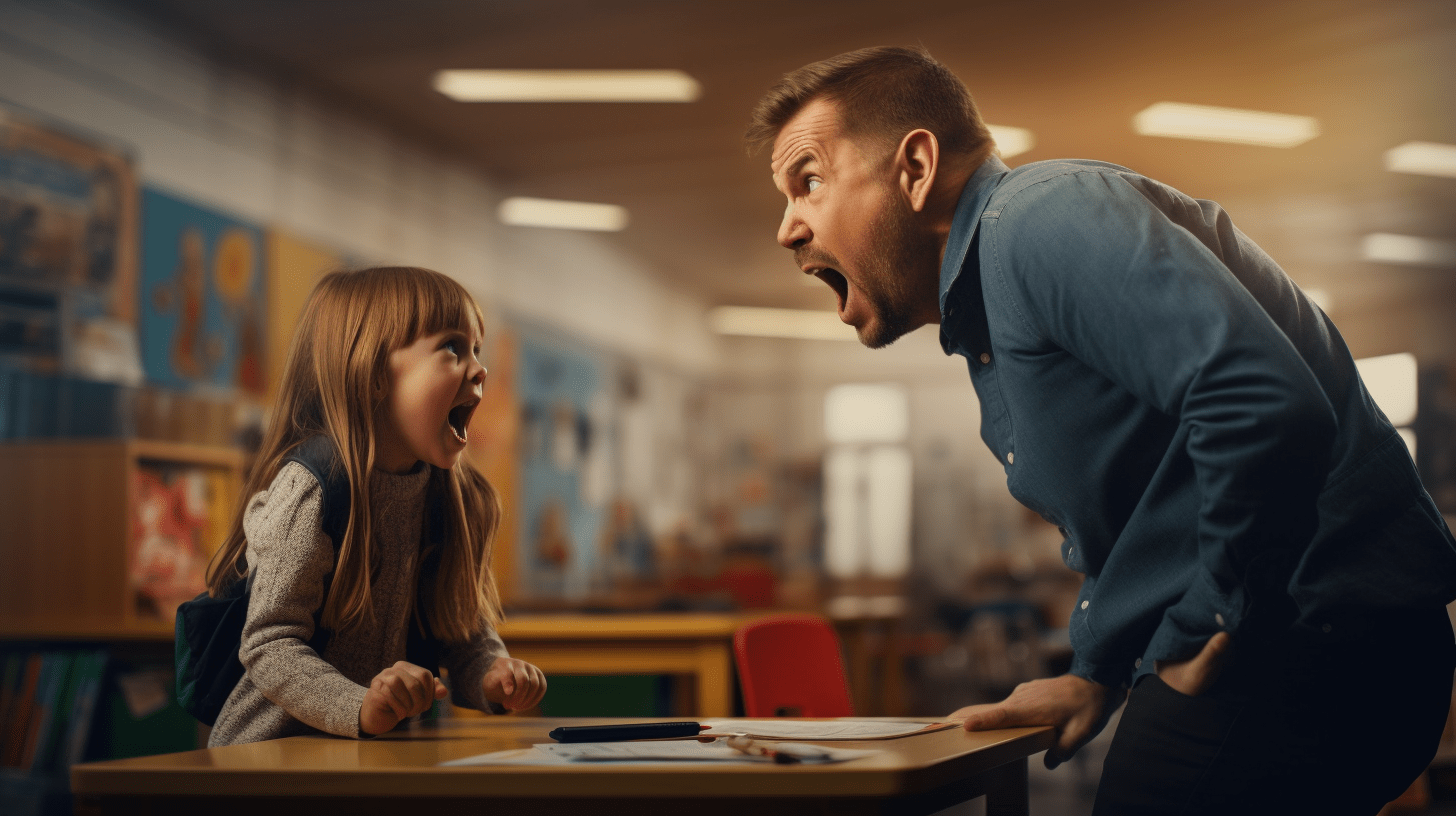
Low-level disruptive behaviour is a common challenge faced by teachers in classrooms worldwide. This type of behaviour refers to minor disruptions, such as talking out of turn, fidgeting, or not following instructions. While seemingly harmless, these behaviours can have significant implications for both students and the overall learning environment. In this blog entry, I will try to explain my views on the causes of low-level disruptive behaviour, its impacts on students’ academic progress and wellbeing, and explore effective strategies that I used in the past for managing and preventing such behaviours in the classroom.

THE CAUSES OF LOW-LEVEL DISRUPTIVE BEHAVIOUR
Underlying factors
Knowing the underlying factors that contribute to low-level disruptive behaviour is essential for understanding the root causes and developing effective strategies for classroom management. One factor that can contribute to disruptive behaviour is boredom. When children are not sufficiently engaged or challenged by the learning activities, they may become disinterested and seek out attention or engage in distracting behaviours to alleviate their boredom.
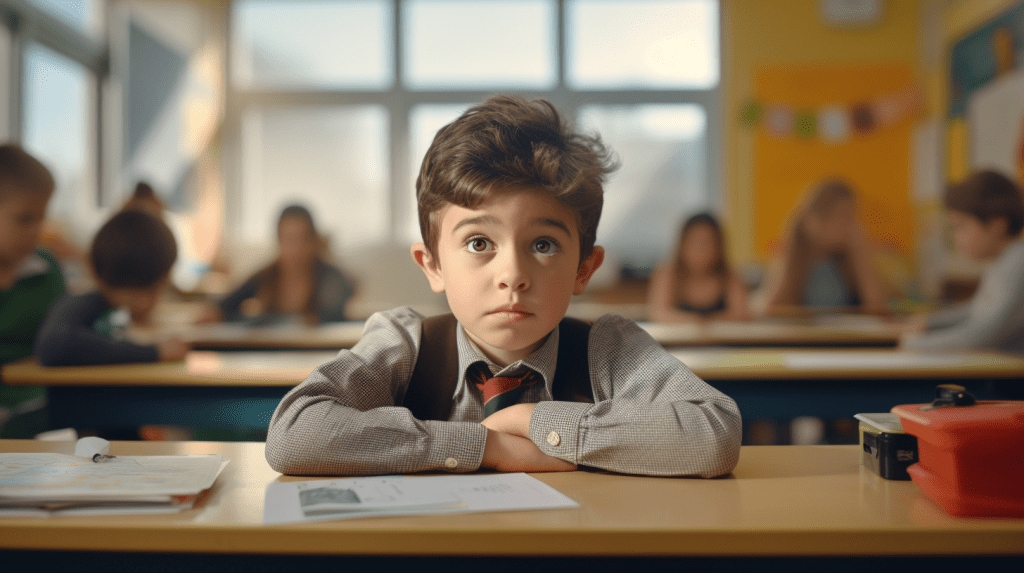
Lack of engagement is another significant factor. If children don’t find the learning material relevant or meaningful to their lives, they may disengage and resort to disruptive behaviours as a means of seeking stimulation or diverting their attention elsewhere. It is crucial for teachers to create a stimulating and engaging learning environment that captures children’s interests and motivates them to actively participate in the learning process.
Attention-seeking behaviour is another common factor in low-level disruptive behaviour. Some children may crave attention, whether it is positive or negative, and engage in disruptive actions to gain attention of their peers or teachers. Identifying and addressing these underlying needs for attention can help redirect children towards more positive and productive behaviours.
Social dynamics within the classroom also play a role in low-level disruptive behaviour. Children may exhibit disruptive behaviours to gain acceptance, establish dominance, or respond to peer pressure. Understanding the social dynamics and implementing strategies to foster a positive and inclusive classroom environment can help reduce disruptive behaviours associated with social interactions.
External factors
When discussing low-level disruptive behaviour, it is crucial to consider the influence of external factors on child behaviour. These external factors encompass various aspects of a child’s life, such as their home environment, peer relationships, and socio-economic background.

The home environment can have a significant impact on a child’s behaviour. Factor such as parenting styles, family dynamics, and the level of support and structure provided at home can shape a child’s behaviour in the classroom. For example, a child who experiences inconsistency or lack of structure at home may exhibit disruptive behaviours as a result. Understanding the home environment can help teachers identify potential triggers and implement strategies to support the child effectively.
Peer relationships also play a role in child behaviour. Children may be influenced by their peers, seeking validation or acceptance from their social circle. Negative peer relationships or pressure from peers can lead to disruptive behaviours as children may act out to gain attention or fit in with a particular group. Creating a positive and inclusive classroom environment that fosters healthy peer relationships can help mitigate the influence of negative peer dynamics on child behaviours.
Socio-economic factors can also contribute to low-level disruptive behaviour. Children from disadvantaged backgrounds may face additional challenges, such as limited resources, unstable living conditions, or exposure to adverse experiences, which can impact their behaviour in the classroom. Recognising the influence of socio-economic factors can help teachers provide additional support and resources to children who may be facing these challenges.
Individual differences
It is important to consider the role of individual differences in contributing to low-level disruptive behaviour. Individual differences refer to the unique characteristics and traits that children possess, which can influence their behaviour in the classroom.

Learning difficulties can significantly impact a child’s behaviour. Children with specific learning difficulties, such as dyslexia or attention deficit hyperactivity disorder (ADHD), may struggle with certain academic tasks or exhibit difficulties with attention and concentration. These challenges can lead to frustration, disengagement, and subsequently disruptive behaviours in the classroom. Understanding these learning difficulties and providing appropriate support and accommodations can help mitigate the impact on behaviour and create a more inclusive learning environment.
Executive functioning skills, which encompass cognitive processes such as working memory, self-control, and task organisation, also play a role in child behaviour. Difficulties in executive functioning can result in challenges with impulsive control, time management, and following instructions, leading to disruptive behaviours. Educators must recognise and address these deficits to be able to implement effective strategies to support children in developing their executive functioning skills and managing their behaviour successfully.
Emotional regulation is another key factor contributing to disruptive behaviours. Some children may struggle with regulating their emotions, leading to outbursts, tantrums, or withdrawal behaviours in the classroom. Teaching children emotional regulation strategies, providing a safe and supportive environment, and implementing practices such as mindfulness or social-emotional learning can help them develop the skills necessary to manage their emotions and reduce disruptive behaviours.
THE IMPACTS OF LOW-LEVEL DISRUPTIVE BEHAVIOUR
Effects on child learning
Low-level disruptive behaviour can have significant effects on child learning, creating obstacles that hinder academic progress and overall classroom dynamics. It is crucial to examine these effects to understand the importance of addressing and managing disruptive behaviours effectively.
One of the primary consequences of such behaviour is reduced concentration among children. When disruptive behaviours occur, children may struggle to maintain focus on the lesson or task at hand. The presence of distractions, such as noise, interruptions, or off-task behaviour from peers, can disrupt the learning environment and impede children’s ability to engage fully in their learning. As a result, their comprehension and retention of information may be compromised.
Moreover, low-level disruptive behaviour can cause frequent interruptions to instruction. When children engage in behaviours that disrupt the flow of the lesson, such as talking out of turn, consistently getting out of their seats, or engaging in side-conversations, it can disrupt the teacher’s ability to deliver instruction effectively. These interruptions not only disrupt the learning experience for the child who exhibits the behaviour but also for the entire class, as the teacher may need to redirect attention and address the disruptive behaviour, diverting valuable instructional time.
The cumulative effect of these disruptions on child learning can be substantial. When children are consistently exposed to low-level disruptive behaviour, their overall engagement and participation in the learning process may decrease. They may struggle to grasp and internalise the content being taught, leading to gaps in their understanding and decreased academic achievement. Recognising the negative effects of low-level disruptive behaviour on child learning emphasises the importance of creating a positive and well-managed classroom environment. Implementing effective behaviour management strategies, fostering a culture of respect and accountability, and providing clear expectations can help minimise disruptions and optimise student engagement and learning. By addressing and mitigating low-level disruptive behaviours, educators can create a conducive learning environment that maximises student achievement and creates a positive classroom experience for all students.
Impact on student wellbeing
The impact of low-level disruptive behaviour extends beyond its effects on academic learning; it can also significantly impact student wellbeing and create a challenging emotional environment for both children and teachers. Understanding and addressing the impact on wellbeing is essential for promoting a positive and supportive classroom climate.
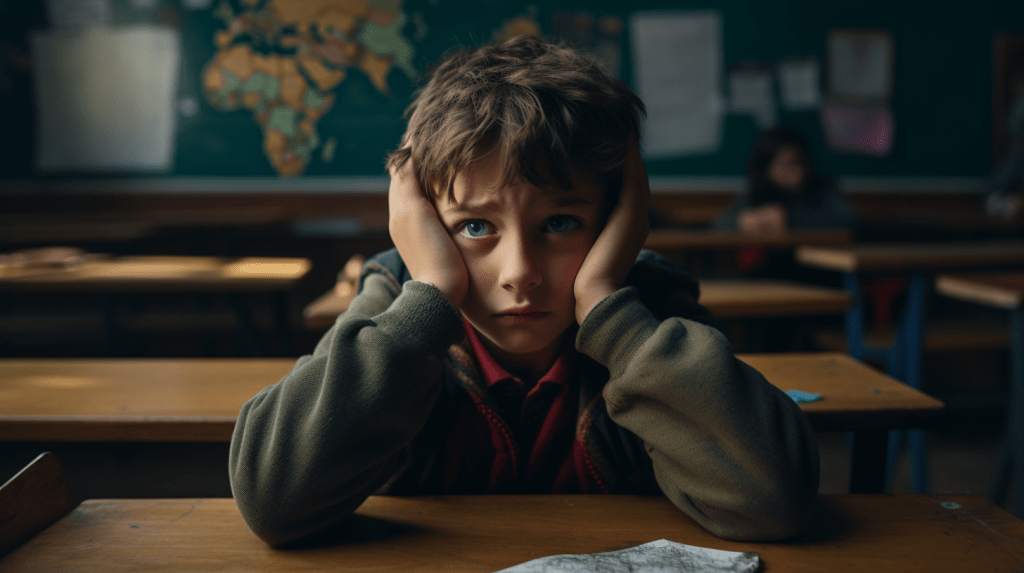
The first significant consequence of low-level disruptive behaviour is the increased stress experienced by children. When disruptive behaviours occur regularly, it can create an atmosphere of unpredictability and tension within the classroom. Children may feel anxious or on edge, anticipating the next disruption or unsure of how to respond to disruptive peers. This chronic stress can negatively affect their overall wellbeing, leading to decreased motivation, increased fatigue, and difficulty concentrating on their work.
Additionally, disruptive behaviours can trigger feelings of frustration and annoyance among both pupils and teachers. Children who are actively engaged in their learning and strive to maintain a respectful and focused environment may find it challenging to concentrate or participate fully when confronted with disruptive behaviours. This frustration can hinder their enjoyment of the learning process and erode their overall enthusiasm for school.
Teachers also experience the impact of low-level disruptive behaviour on their wellbeing. Constantly managing and addressing disruptive behaviours can be emotionally draining for educators. It can create feelings of frustration, stress, and even self-doubt about their effectiveness as teachers. The continuous effort required to maintain classroom order and redirect disruptive behaviours can detract from the joy and fulfilment that teaching should bring.
All the above emphasise the need for proactive strategies that prioritise a positive and supportive classroom environment. Creating a culture of respect, implementing effective behaviour management techniques, and providing social-emotional support for students can help reduce stress, anxiety, and frustration. By creating a supportive and nurturing classroom climate, educators can enhance student wellbeing, promote positive relationships, and create an optimal learning environment for all.
Negative peer influence
Negative peer influence can significantly contribute to low-level disruptive behaviour and disrupt the positive classroom climate that teachers strive to create. When children engage in disruptive behaviours, it can have a contagious effect on their peers, leading to a domino effect of misbehaviour and a deterioration of the overall learning environment.
Peer influence plays a critical role in shaping pupils’ attitudes, behaviours, and social interactions. In a classroom setting, children look to their peers for social cues and may imitate behaviours they perceive as desirable or attention-seeking. If disruptive behaviours are prevalent within a peer group, other children may feel compelled to engage in similar actions to gain acceptance, seek attention, or assert their social status.
The presence of disruptive peer behaviours can disrupt the positive classroom climate by creating an environment that is prone to distractions, interruptions, and a lack of focus. It can impede the learning process as children become more preoccupied with social dynamics and peer interactions rather than engaging in meaningful academic activities. This disruption can result in reduced concentration, decreased productivity, and an overall decline in the quality of instruction.
To address negative peer influence and maintain a positive classroom climate, it is crucial for teachers to promote positive social interactions, foster a sense of community, and explicitly teach appropriate social behaviours. By creating opportunities for collaborative learning, cooperative group work, and building positive relationships among pupils, teachers can mitigate the potential for negative peer influence and establish a supportive classroom culture. Implementing strategies that empower children to make positive choices, recognize and appreciate the contributions of their peers, and develop effective conflict resolution skills can help counteract the disruptive impact of negative peer influence and maintain a positive and conducive learning environment.
STRATEGIES FOR EFFECTIVE CLASSROOM MANAGEMENT
Clear expectations, routines, and consistent consequences
Implementing proactive strategies is a crucial approach to prevent low-level disruptive behaviour in the classroom and create a positive learning environment. By establishing clear expectations, routines, and consistent consequences, teachers can set the stage for effective behaviour management and promote a sense of structure and predictability for children.
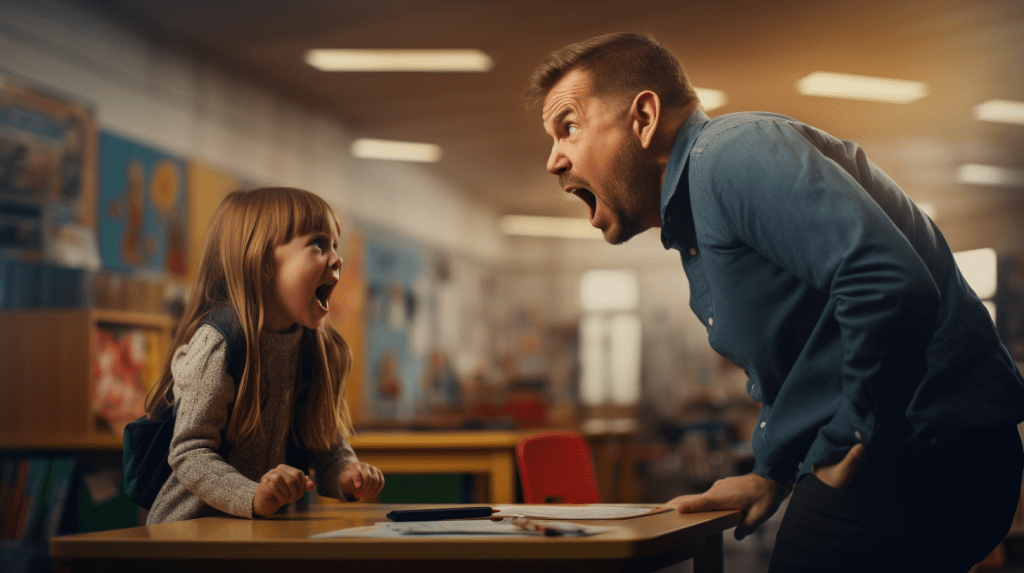
Clear expectations provide children with a clear understanding of what is expected of them in terms of behaviour and conduct. Teachers can communicate these expectations through explicit instruction, visual cues, and regular reminders. By establishing a shared understanding of behavioural norms, pupils are more likely to engage in appropriate behaviour and understand the consequences of their actions.
Routines play a significant role in preventing disruptive behaviour by providing students with a sense of order and predictability. Establishing consistent routines for transitions, classroom procedures, and daily activities, can reduce anxiety, confusion, and potential disruptions. Routines help children develop a sense of responsibility and independence, as they know what is expected of them at different times throughout the day.
Consistent consequences serve as a deterrent and a means of accountability for children’s actions. By consistently enforcing consequences for disruptive behaviour, teachers send a clear message that inappropriate actions have repercussions. It is essential to ensure that consequences are fair, age-appropriate, and aligned with the established expectations. Providing consistent consequences promotes a sense of fairness and helps children understand the direct link between their behaviour and its outcomes.
In addition to these strategies, teachers can also employ positive reinforcement and praise to recognise and encourage desired behaviours. By reinforcing positive behaviour, teachers create a positive classroom culture that promotes engagement, cooperation, and respect. Recognising and rewarding pupils’ efforts and achievements can motivate them to consistently display appropriate behaviour and contribute to a positive learning environment.
Overall, implementing proactive strategies to prevent low-level disruptive behaviour sets a strong foundation for effective behaviour management and creates an environment conducive to learning and growth. By establishing clear expectations, routines, consistent consequences, and positive reinforcement, teachers can foster a positive classroom climate where students feel supported, engaged, and motivated to succeed.
Positive reinforcement
Positive reinforcement techniques are an effective approach to encourage desired behaviours and create a positive classroom culture. Positive reinforcement involves providing rewards or incentives to children when they demonstrate appropriate behaviour, which increases the likelihood of them repeating that behaviour in the future.
One commonly used positive reinforcement technique is verbal praise. Teachers can offer specific and genuine praise to acknowledge and recognize children’s efforts, achievements, or positive behaviours. By verbally praising them in front of their peers, teachers not only reinforce the desired behaviour but also create a positive and supportive classroom environment where young learners feel valued and appreciated.

Another positive reinforcement technique is the use of tangible rewards. These can be small items (reward stickers), privileges (golden time, promotion within the class), or certificates that children receive as a result of their positive behaviour. Tangible rewards serve as immediate incentives and motivate children to continue displaying appropriate behaviours. However, it is important to use these rewards selectively and ensure that they align with the desired behaviours and the overall goals of the classroom.
Opportunities for positive reinforcement can also be created through classroom systems or token economies. Token economies involve giving children tokens or points for displaying positive behaviours, which can be exchanged for desired rewards or privileges. This system reinforces the desired behaviours consistently and allows students to track their progress and see the direct connection between their actions and the rewards they earn.
In addition to these techniques, positive reinforcement can be extended to promoting a positive classroom culture through the use of group rewards and recognition. Teachers can establish class-wide goals or targets and reward the entire class when those goals are achieved. This fosters a sense of collaboration, cooperation, and support among children, as they work together towards a common objective.
By incorporating positive reinforcement techniques into their classroom practices, teachers create a positive learning environment where pupils are motivated to engage in desired behaviours. Positive reinforcement not only increases child participation and cooperation but also contributes to the development of self-regulation skills, self-esteem, and a sense of belonging. It helps shape a positive classroom culture where students feel supported, empowered, and eager to learn.
Individualised support for children with specific needs
Individualised support for pupils with specific needs is essential in addressing low-level disruptive behaviour and promoting a positive classroom environment. One way to do this is through differentiated instruction, which involves tailoring teaching methods, materials, and activities to meet the diverse learning needs of children. By understanding each child’s strengths, weaknesses, and learning styles, teachers can modify their instruction to ensure that all children can actively participate and engage in the learning process.
Targeted interventions are another important aspect of individualised support. These interventions are designed to address specific behaviour concerns or academic difficulties that a child may be experiencing. They may involve additional support from specialists, such as counsellors, learning support assistants, or behaviour specialists, who can provide targeted strategies and interventions to help the student overcome challenges and develop more appropriate behaviours.
Building positive relationships with pupils is also crucial in providing individualised support. When students feel valued, understood, and supported by their teachers, they are more likely to be engaged and motivated in the classroom. Taking the time to get to know students on a personal level, showing empathy, and actively listening to their concerns can go a long way in establishing positive relationships. Teachers can also foster a supportive classroom environment by promoting a sense of belonging, encouraging peer collaboration, and implementing strategies for conflict resolution and problem-solving.
In addition to these approaches, ongoing assessment and monitoring of child progress are important in identifying specific needs and adjusting support accordingly. Regular communication with parents or guardians can also provide valuable insights into a child’s individual needs and help create a collaborative approach to support their development.
By providing individualised support, teachers can address the unique needs of each pupil, promote their academic and social-emotional growth, and ultimately reduce instances of low-level disruptive behaviour. This approach ensures that all children receive the necessary support and opportunities to succeed, fostering a positive and inclusive learning environment for everyone.
Collaborating with parents and guardians
This is another essential factor in reinforcing behavioural expectations and establishing consistent approaches to behaviour management between home and school. When parents and teachers work together, they can create a united front and send consistent messages about behavioural expectations, which can greatly impact a child’s understanding and compliance.
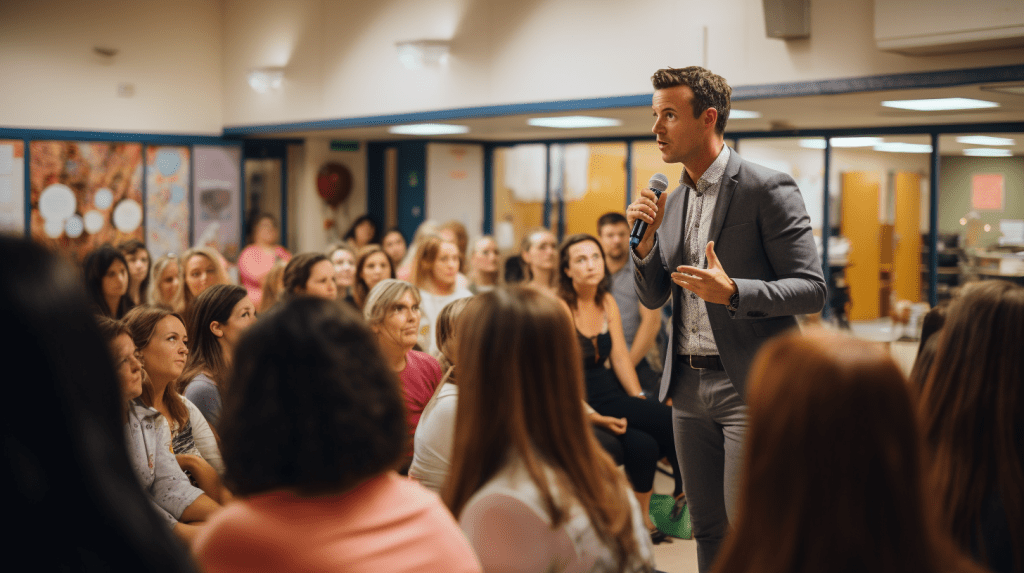
One way to collaborate with parents is through open and ongoing communication. Regularly updating parents about their child’s behaviour and progress allows for transparency and shared responsibility. Teachers can share classroom expectations, rules, and consequences with parents so that they are aware of the behavioural standards set in the classroom. Likewise, parents can provide insights into their child’s behaviour at home, allowing teachers to gain a more holistic understanding of the student.
Establishing consistent approaches across home and school is crucial for reinforcing behavioural expectations. This can involve aligning strategies and consequences used at school with those implemented at home. When parents and teachers adopt similar approaches, pupils experience a sense of continuity, reinforcing their understanding of appropriate behaviour in different contexts.
Collaboration can also extend to sharing strategies and resources. Teachers can provide parents with suggestions for supporting positive behaviour at home, such as implementing routines, setting clear expectations, and using positive reinforcement techniques. Similarly, parents can share information about strategies that work well with their child at home, contributing to a comprehensive understanding of the pupil’s needs.
In conclusion, teachers can foster a supportive partnership that reinforces consistent behaviour expectations and approaches. This collaboration helps create a unified and positive environment for the child, promoting consistent behaviour management practices and enhancing the student’s overall success and well-being.
The importance of self-care and wellbeing for teachers
Highlighting the importance of self-care and wellbeing for teachers is crucial in effectively managing and responding to low-level disruptive behaviour. Teachers play a significant role in the classroom, and their wellbeing directly impacts their ability to create a positive and supportive learning environment.
Managing disruptive behaviour can be challenging and emotionally draining for teachers. It is essential for teachers to prioritise their own self-care to ensure they have the physical, emotional, and mental energy to effectively address these behaviours. Engaging in self-care activities such as exercise, practicing mindfulness, pursuing hobbies, and maintaining a healthy work-life balance can help teachers reduce stress and prevent burnout.
When teachers prioritise their wellbeing, they are better equipped to respond calmly and constructively to disruptive behaviour. Taking care of their own emotional state allows them to approach these situations with patience, empathy, and a clear mind. Teachers who are well-rested, emotionally grounded, and mentally refreshed can respond to low-level disruptive behaviour in a proactive and positive manner, promoting a more supportive classroom environment.
Self-care also helps teachers model healthy coping mechanisms and emotional regulation for their children. By demonstrating self-care practices, teachers teach them the importance of managing their own emotions and wellbeing. This can have a positive influence on pupils’ behaviour and overall classroom dynamics.
In summary, highlighting the importance of self-care and wellbeing for teachers acknowledges the demanding nature of managing disruptive behaviour and emphasizes the need for teachers to prioritize their own physical, emotional, and mental health. By taking care of themselves, teachers are better equipped to manage low-level disruptive behaviour effectively, create a positive learning environment, and model healthy habits for their pupils.
CONCLUSION
Addressing low-level disruptive behaviour requires a comprehensive understanding of its causes, impacts, and effective management strategies. By adopting proactive and targeted approaches, teachers can create a positive and productive learning environment that fosters engagement, respect, and academic success. By working together as educators, parents, and the wider community, we can empower children to overcome disruptive behaviours and thrive both academically and socially.
Remember, each child is unique, and it is crucial to approach behaviour management with empathy, understanding, and a commitment to promoting positive change.
BIBLIOGRAPHY
Rogers, B. (2015). Classroom Behaviour: A Practical Guide to Effective Teaching, Behaviour Management and Colleague Support. SAGE Publications Ltd.
Marzano, R. J., Marzano, J. S., & Pickering, D. J. (2003). Classroom Management That Works: Research-Based Strategies for Every Teacher. Association for Supervision and Curriculum Development.
Sprick, R. (2006). CHAMPS: A Proactive and Positive Approach to Classroom Management. Pacific Northwest Publishing.
 Mr Sanchez Tutoring