
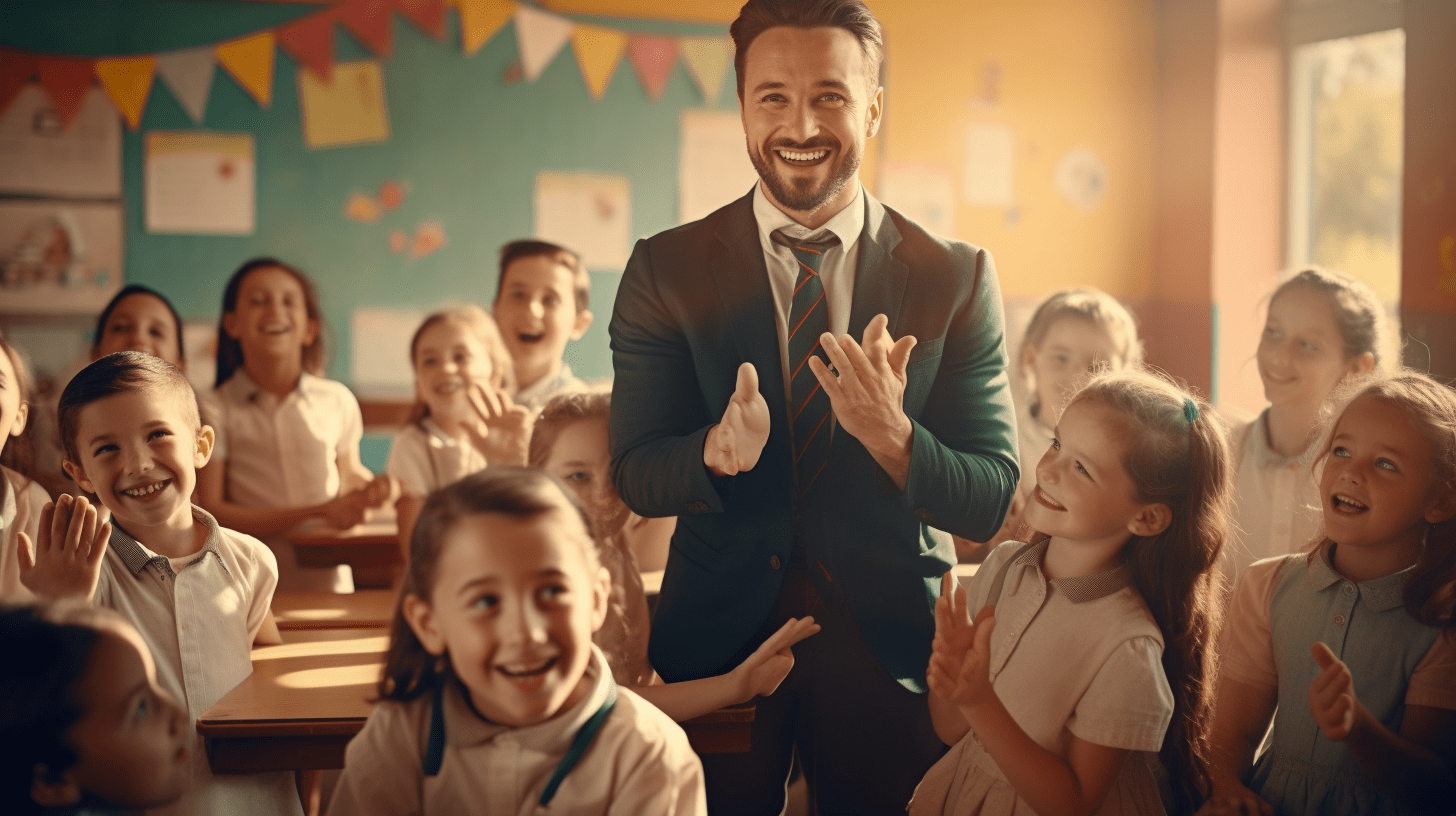
Creating a positive and supportive classroom environment begins with building strong relationships with the children. When teachers establish meaningful connections with their students, it sets the foundation for a harmonious and respectful learning community. In this blog post, I want to share how I build good relationships with children, discuss strategies that you can implement in your classroom, and highlight the concept of the tribal classroom, which brings a sense of belonging and community.
THE POWER OF POSITIVE RELATIONSHIPS
Strong relationships between teachers and children are essential for promoting positive behaviour in the classroom. When children feel valued, understood, and supported, they are more likely to engage in learning and exhibit respectful behaviour. Teachers can achieve this by actively implementing the following strategies:
- Greeting students warmly and individually as they enter the classroom: Taking a few moments to personally welcome each child as they arrive creates a positive and inclusive atmosphere. By showing genuine interest and care, teachers set the tone for the day and make children feel acknowledged and appreciated. (Jones, F. (2014). Tools for Teaching: Building Classroom Management Skills.)
- Taking the time to listen actively and show genuine interest in children’s thoughts, ideas, and concerns: Engaging in meaningful conversations with them allows teachers to understand their perspectives, interests, and challenges. By actively listening, teachers demonstrate that they value children’s voices and create a safe space for them to share their thoughts and feelings. (Darling-Hammond, L. (2017). Empowered Educators: How High-Performing Systems Shape Teaching Quality Around the World.)
- Demonstrating empathy and understanding when children face challenges or make mistakes: Instead of immediately resorting to disciplinary actions, teachers can respond with empathy and understanding when pupils exhibit challenging behaviours. This approach helps them feel supported and encourages them to reflect on their actions and make positive changes. (Curwin, R., Mendler, A., & Mendler, B. (2018). Discipline with Dignity: How to Build Responsibility, Relationships, and Respect in Your Classroom.)
- Providing regular feedback and praise to acknowledge pupils’ efforts and achievements: Recognising and celebrating children’s successes, both big and small, reinforces their positive behaviours. By offering specific and constructive feedback, teachers help children understand their strengths and areas for growth, fostering a growth mindset and motivating them to continue their efforts. (Hattie, J. (2012). Visible Learning for Teachers: Maximizing Impact on Learning.)
PERSONAL RESEARCH AND EXPERIENCE
Individual handshakes
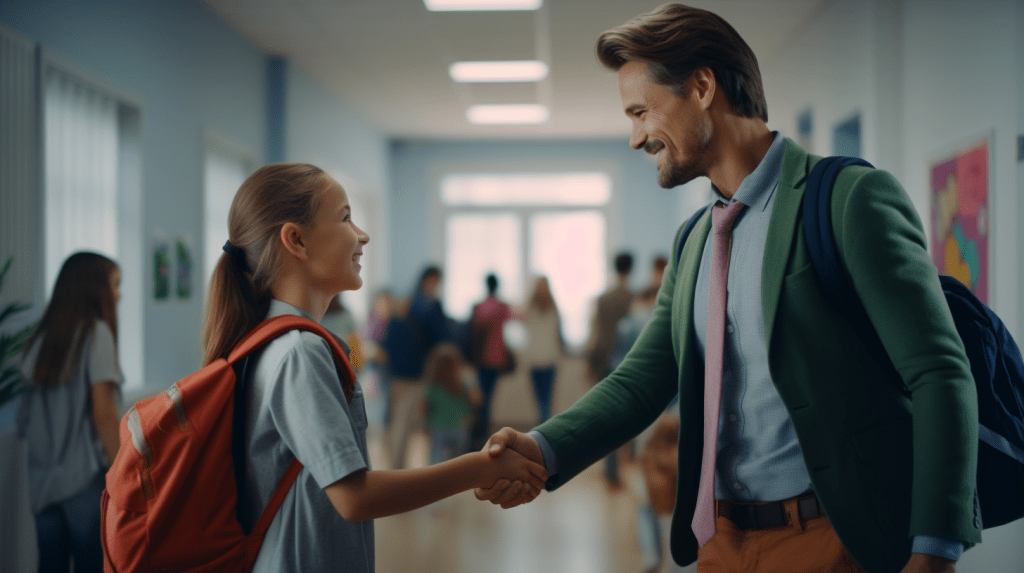
Welcoming each child with a handshake has proven to be a valuable practice in my classroom, offering numerous benefits that contribute to a positive learning environment. When I greet children individually, it allows me to observe their demeanour and quickly identify any signs of distress or emotional well-being. By noticing subtle changes in their behaviour or expressions, I can provide the necessary support and address any concerns they may have.
Moreover, the handshake serves as an opportunity for a brief interaction, where we can exchange pleasantries and engage in a small chat. This simple act helps set a positive tone for the day, establishing a welcoming and friendly atmosphere. It shows them that I am genuinely interested in their wellbeing and creates a sense of comfort and belonging in the classroom.
Over time, this practice has deepened the connection between my students and me. It has allowed me to gain insight into their thoughts, interests, and concerns, enabling me to tailor my teaching approach and better address their individual needs. By building this rapport and trust, children feel more comfortable opening up to me about their thoughts and emotions, fostering a supportive and nurturing classroom environment.
In summary, welcoming each child with a handshake goes beyond a simple greeting. It has allowed me to establish a strong foundation of trust and connection with my pupils. By taking the time to acknowledge and engage with each child individually, I can effectively support their emotional wellbeing, set a positive tone for the day, and promote a classroom culture where students feel valued and understood.
ESTABLISHING TRUST AND COMMUNICATION
Open lines of communication are key to building strong relationships. Teachers can foster trust and effective communication by implementing the following strategies:
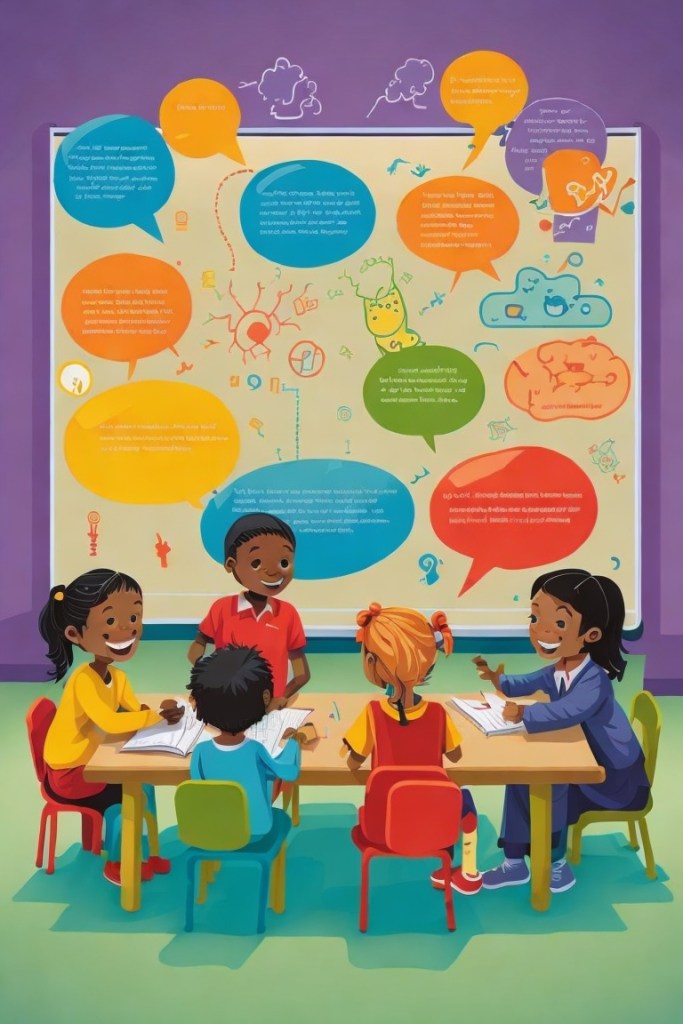
- Creating a safe and inclusive classroom environment where all students feel comfortable expressing themselves:
Teachers can establish a safe space by setting clear expectations for respectful communication and modelling inclusive language and behaviour. Creating an environment where diversity is celebrated and all students feel accepted encourages open dialogue and trust among classmates. (Gay, G. (2018). Culturally Responsive Teaching: Theory, Research, and Practice.)
- Encouraging dialogue and active participation through techniques like think-pair-share or class discussions:
Engaging children in meaningful conversations promotes active participation and a sense of ownership over their learning. By incorporating techniques such as think-pair-share or class discussions, teachers provide opportunities for children to share their thoughts, learn from one another, and develop their communication skills. (Fisher, D., & Frey, N. (2013). Better Learning Through Structured Teaching: A Framework for the Gradual Release of Responsibility.)
- Implementing restorative practices to resolve conflicts and build understanding among children:
Rather than resorting to punitive measures, restorative practices focus on repairing harm, building empathy, and fostering a sense of responsibility among pupils. By facilitating restorative circles or conferences, teachers create a space for children to express their feelings, resolve conflicts, and develop stronger connections with their peers. (Wachtel, T., & McCold, P. (2013). The Restorative Practices Handbook for Teachers, Disciplinarians, and Administrators.)
- Establishing regular check-ins or one-on-one conferences with children to discuss their progress, concerns, and goals:
Individual meetings between teachers and pupils allow for personalized attention and provide opportunities for children to share their academic progress, social-emotional wellbeing, and personal goals. These meetings help teachers develop a deeper understanding of their students’ needs and establish a sense of trust and support. (Marzano, R. J., Pickering, D. J., & Heflebower, T. (2012). The Highly Engaged Classroom.)
PERSONAL RESEARCH AND EXPERIENCE
Spending enough time to discuss rules and personal targets
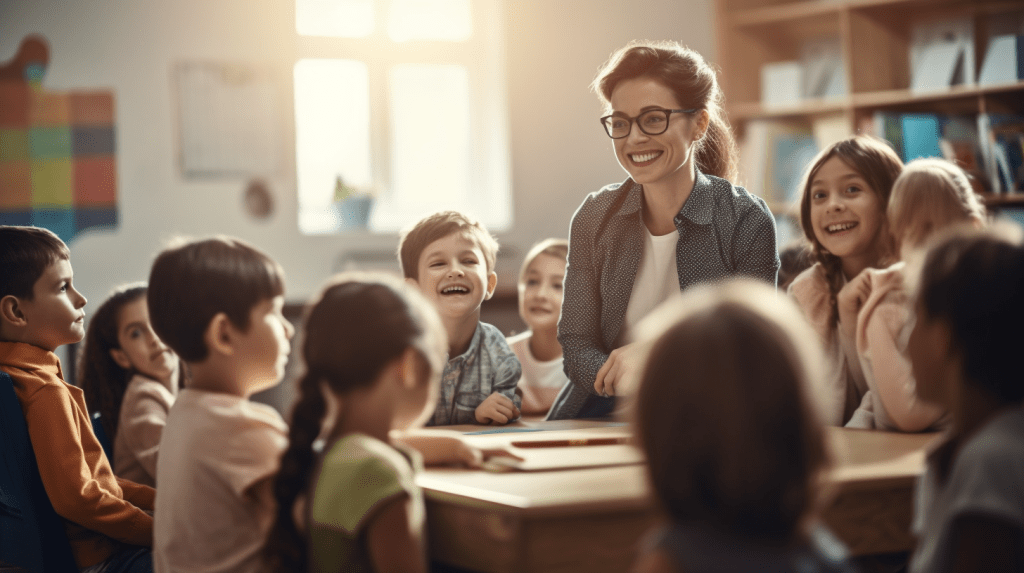
One of the essential practices in my classroom is spending ample time talking to children whenever behaviour rules are broken. I believe it is crucial for them to understand the reasons behind the rules and the consequences associated with them. Through these conversations, I aim to help children grasp the significance of rules and encourage them to reflect on their mistakes, paving the way for personal growth and improvement in the future.
During these discussions, I also dedicate time to individually connect with each child, ensuring they comprehended their academic and behavioural targets. By engaging in meaningful conversations, I could gauge their understanding and clarify any misconceptions. I often posed the question, “What are your targets?” to encourage them to articulate their goals confidently. This practice not only reinforces their accountability but also empowers them to take ownership of their learning and progress.
I strongly believe in modelling vulnerability and acknowledging my own flaws. By openly sharing my mistakes and emphasising that everyone makes them, I create a safe and non-judgmental space for children to embrace their own missteps. I emphasise that making mistakes is an opportunity for growth, learning, and improvement. This mindset encourages children to view errors as stepping stones to success rather than sources of discouragement.
In summary, by investing time in meaningful conversations with my pupils, I cultivate a deep understanding of rules, targets, and the importance of learning from mistakes. Through these interactions, I aim to instil a growth mindset and encourage children to embrace challenges, take risks, and continuously strive for improvement. By normalizing mistakes as part of the learning process, I create a classroom culture where children feel motivated, supported, and confident in their ability to grow and succeed.
THE TRIBAL CLASSROOM
Creating a Sense of Belonging and Community: The tribal classroom approach emphasizes the importance of creating a close-knit community within the classroom. This brings a sense of belonging and shared responsibility for the wellbeing and success of each member to the classroom. Teachers can implement tribal classroom strategies such as:
- Organizing class meetings or circles to promote open dialogue, problem-solving, and collaboration: Regular class meetings or circles provide a platform for children to discuss important topics, resolve conflicts, and make decisions together. These gatherings promote a sense of ownership and shared responsibility within the classroom community. (Kohn, A. (2006). Beyond Discipline: From Compliance to Community.)
- Encouraging peer support and teamwork through group activities and projects: Collaborative activities and group projects provide opportunities for children to work together, support one another, and develop their social skills. By creating a cooperative and inclusive learning environment, teachers empower children to build strong relationships and appreciate the value of teamwork. (Johnson, D. W., Johnson, R. T., & Holubec, E. J. (2013). Circles of Learning: Cooperation in the Classroom.)
- Implementing community-building activities and traditions: Creating traditions and rituals, such as morning meetings, celebrations of child achievements, or shared experiences, helps growing a sense of belonging and pride within the classroom community. These activities build connections among children and contribute to a positive and supportive classroom culture. (Lickona, T. (2012). Educating for Character: How Our Schools Can Teach Respect and Responsibility.)
PERSONAL RESEARCH AND EXPERIENCE
Toko-Toko Game
One of the most creative strategies I implemented in my last Year 1 classroom was the creation of a ritual or game called the “Toko-Toko.” Initially, it served as a signal to gain the attention of the whole class (similar to the Signal, Pause, Insist), but it quickly evolved into something much more than that.
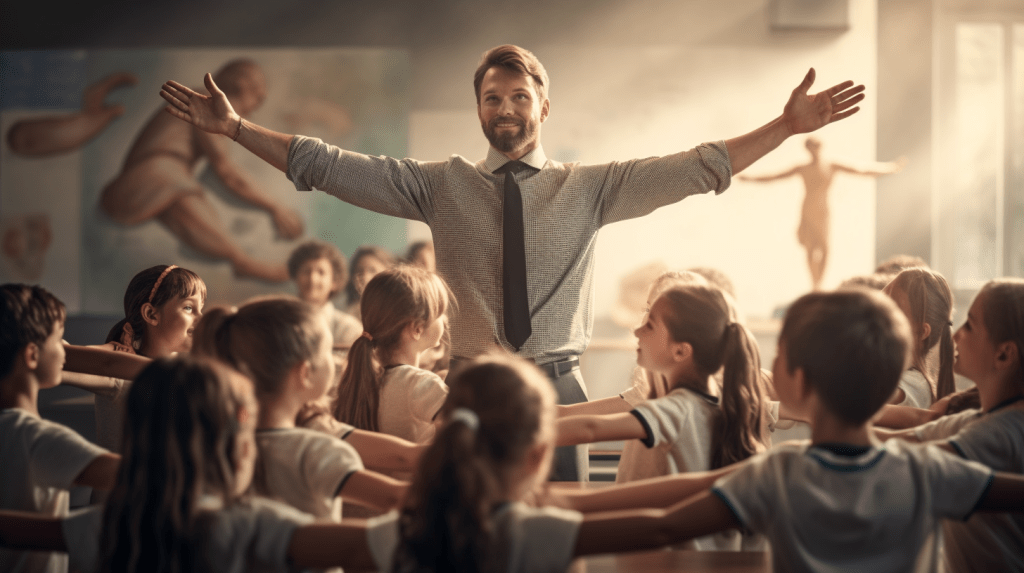
The “Toko-Toko” began with a simple action. I would stretch both of my arms sideways, forming a cross, and invite the children to mimic my sign. Then, with a playful tone, I would move my fingers rapidly while saying “toko toko.” This not only became an effective way to capture the attention of the children but also turned into a fun and engaging activity. The beauty of the “Toko-Toko” was that it not only garnered the attention of the children, but it also brought joy and excitement to the classroom. The rapid finger movement and the rhythmic chanting of “toko toko” created a sense of energy and enthusiasm among them. It became a shared experience, a moment where we all came together as a united group.
What made the “Toko-Toko” even more special was its ability to create a sense of belonging. During whole-school assemblies, I would perform the “Toko-Toko”, and while other classes would try to imitate the action, only my class knew the significance behind it. As I stopped moving my fingers, the children would fall silent, demonstrating their understanding and connection to the ritual. It was a small secret code that bonded us and made us feel like a unique and cohesive community within the larger school setting.
In conclusion, the creation of the “Toko-Toko” ritual not only served as an effective attention-grabbing technique but also brought joy, engagement, and a sense of belonging to my classroom. By incorporating this playful and inclusive activity, I was able to captivate the children’ attention, create a fun learning environment, and establish a strong classroom community where everyone felt connected and valued.
Compliment Celebration
Another celebration that I introduced in my classroom was the weekly “Compliment Celebration.” Each week, I would select a different child and take a few minutes to publicly acknowledge and appreciate their unique qualities and strengths. This was not a superficial exercise but rather a heartfelt opportunity to recognise and honour the positive attributes that each child possessed. During the Compliment Celebration, I would share specific examples of the child’s achievements, kindness, or personal growth. I made sure to draw from my deep understanding of each child, reflecting on their individual progress, contributions to the class, and personal qualities that stood out. By doing so, I ensured that the compliments were sincere and authentic, making the child feel truly valued and recognised for their unique qualities.
But the celebration didn’t end with my compliments. After I had expressed my admiration for the chosen child, I invited each student in the class to take turns and share their own kind words and compliments for that particular child. This created a beautiful ripple effect of positivity and appreciation within the classroom. The “Compliment Celebration” has become a cherished tradition that brings joy and pride to the featured child, while also building a strong sense of unity and support among the classmates. It provides a safe space for everyone to express their kind thoughts and allows children to practice empathy, gratitude, and active listening skills.
Through this celebration, we create a culture of kindness, where every child felt seen, valued, and celebrated for their unique qualities. It not only boosts the self-esteem and confidence of the featured child but also nurtures a deep sense of belonging and camaraderie within the entire class. The “Compliment Celebration” has become a highlight of our week, increasing positive relationships and creating a supportive classroom environment where kindness and appreciation flourishes.
Conclusion:
Building good relationships with children is paramount for creating positive behaviour and building a supportive classroom environment. By implementing strategies that prioritise relationship-building, teachers can cultivate an atmosphere where pupils feel valued, understood, and connected. Through trust, open communication, and the adoption of the tribal classroom approach, educators can create a sense of belonging and community that enhances child wellbeing and contributes to their academic and social-emotional growth.
Bibliography:
Curwin, R., Mendler, A., & Mendler, B. (2018). Discipline with Dignity: How to Build Responsibility, Relationships, and Respect in Your Classroom.
Darling-Hammond, L. (2017). Empowered Educators: How High-Performing Systems Shape Teaching Quality Around the World.
Fisher, D., & Frey, N. (2013). Better Learning Through Structured Teaching: A Framework for the Gradual Release of Responsibility.
Gay, G. (2018). Culturally Responsive Teaching: Theory, Research, and Practice.
Hattie, J. (2012). Visible Learning for Teachers: Maximizing Impact on Learning.
Johnson, D. W., Johnson, R. T., & Holubec, E. J. (2013). Circles of Learning: Cooperation in the Classroom.
Jones, F. (2014). Tools for Teaching: Building Classroom Management Skills.
Kohn, A. (2006). Beyond Discipline: From Compliance to Community.
Lickona, T. (2012). Educating for Character: How Our Schools Can Teach Respect and Responsibility.
Marzano, R. J., Pickering, D. J., & Heflebower, T. (2012). The Highly Engaged Classroom.
Wachtel, T., & McCold, P. (2013). The Restorative Practices Handbook for Teachers, Disciplinarians, and Administrators.
 Mr Sanchez Tutoring
2 thoughts on “Building Strong Relationships: Promote Positive Behaviour in your Classroom”