

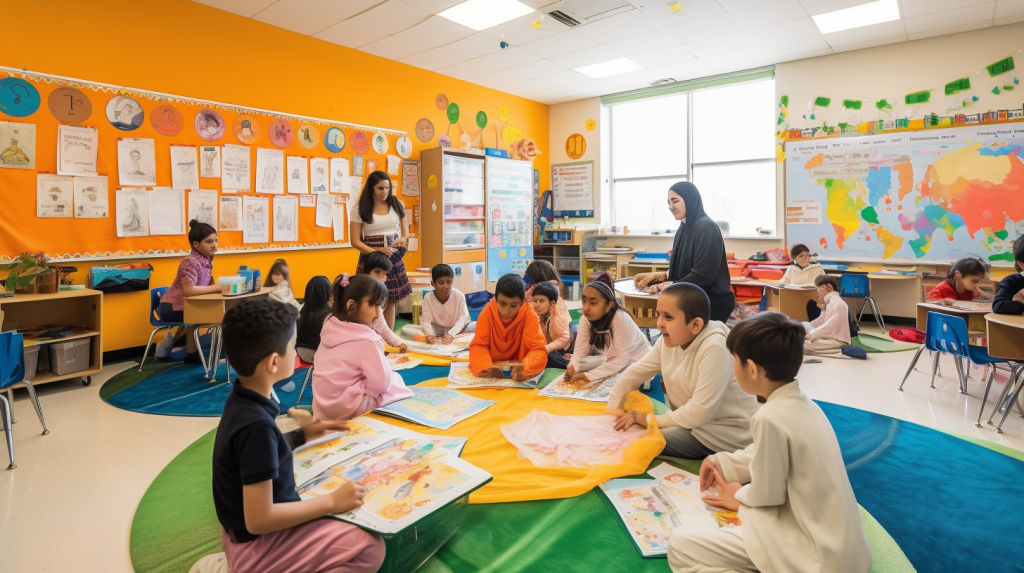
English as an Additional Language (EAL) students bring a rich tapestry of languages and cultures into our primary school classrooms. Supporting their language development is not just a challenge but an opportunity. In this blog post, I will explore effective EAL strategies tailored for primary schools. These strategies empower educators to create inclusive and engaging learning environments, where all students, regardless of their language background, can thrive.
Understanding the EAL Challenge
Before diving into strategies, it’s crucial to grasp the challenges EAL students face. When students are learning English alongside their native language, it can sometimes be overwhelming. They might struggle to express themselves, comprehend complex instructions, or follow classroom discussions.
The Role of the Educator
- Cultural Sensitivity: Educators should foster cultural sensitivity in the classroom. This includes recognising and celebrating diverse cultural backgrounds to create a welcoming atmosphere.
- Clear Communication: Use simple language, speak slowly, and avoid idiomatic expressions. This clarity helps EAL students follow instructions and discussions.

Effective EAL Strategies
- Visual Aids: Incorporate visual aids like images, diagrams, and videos into lessons. Visuals help bridge language gaps and make concepts more accessible.
- Peer Assistance: Encourage peer support. Pair EAL students with native English speakers to facilitate language learning through collaboration.
- Language Games: Introduce language games and activities that make learning fun. Games like word bingo, vocabulary puzzles, and storytelling can enhance language skills.
- Multilingual Resources: Provide multilingual resources, such as books and materials in students’ native languages. This helps them connect their existing knowledge to English.
- Supportive Environment: Foster a supportive classroom environment where EAL students feel comfortable expressing themselves without fear of ridicule.
Professional Development for Educators
Educators should undergo professional development in EAL teaching. Workshops, courses, and seminars can equip them with effective strategies and the latest research in the field.
Monitoring Progress
Regularly assess and monitor EAL students’ progress to tailor teaching approaches. Tools like language assessments and informal observations can provide valuable insights.

Bibliography
- Cloud, N., Genesee, F., & Hamayan, E. (2000). Dual Language Instruction: A Handbook for Enriched Education. Heinemann.
- Gibbons, P. (2002). Scaffolding Language, Scaffolding Learning: Teaching Second Language Learners in the Mainstream Classroom. Heinemann.
- Krashen, S. (1982). Principles and Practice in Second Language Acquisition. Pergamon Press.
- Thomas, W. P., & Collier, V. P. (2002). A National Study of School Effectiveness for Language Minority Students’ Long-Term Academic Achievement. Centre for Research on Education, Diversity & Excellence.
 Mr Sanchez Tutoring