


In 2015, I had the privilege of teaching a remarkable student in Year 3 who faced the challenge of hearing impairment. Determined to provide her with the best possible learning experience, I sought specific training at Arbour Vale School in Slough. Equipped with newfound knowledge and innovative technology, I incorporated a radio system into our classroom routine. This radio, functioning as a microphone transmitting my voice directly to her device, ensured crystal-clear communication. To empower her and celebrate this unique ability, I devised a special ritual. As I approached the classroom door upon returning, I would engage her in conversation, making her the first to know of my impending arrival. The combination of visual aids and the radio system proved to be a winning formula, ensuring that she had a wonderful and academically enriching year.
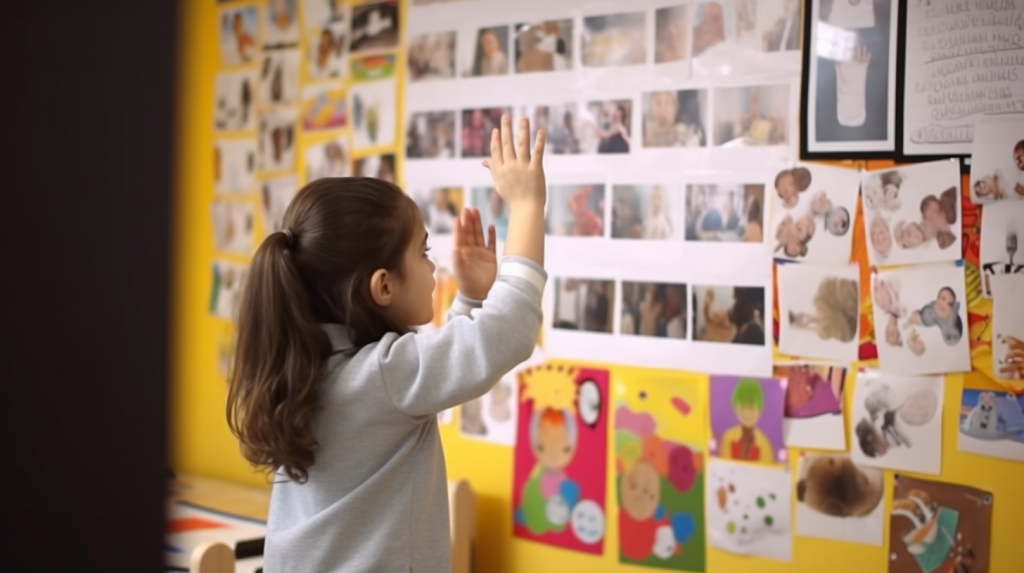
Inclusive education is a fundamental right for all students. When it comes to teaching students with hearing impairment, creating an inclusive classroom environment is not only a legal requirement but also a moral and educational imperative. In this blog post, I will explore the challenges faced by students with hearing impairment in primary education and discover effective strategies that teachers can employ to ensure these students have equal access to quality education.
Hearing impairment is a broad term that encompasses varying degrees of hearing loss, from mild to profound. This condition can be present at birth or acquired later in life due to illness, injury, or environmental factors. For students with hearing impairment, the ability to hear and process auditory information can be compromised, making the learning process more challenging.
Challenges Faced by Students with Hearing Impairment
- Communication Barriers: The most apparent challenge is communication. Students with hearing impairment may struggle to understand spoken language, which is the primary mode of instruction in most classrooms.
- Social Isolation: Communication difficulties can lead to social isolation. Hearing-impaired students may feel excluded from conversations and interactions with peers.
- Academic Gaps: Hearing impairment can impact language development and academic achievement. Students may struggle with reading, writing, and comprehension.
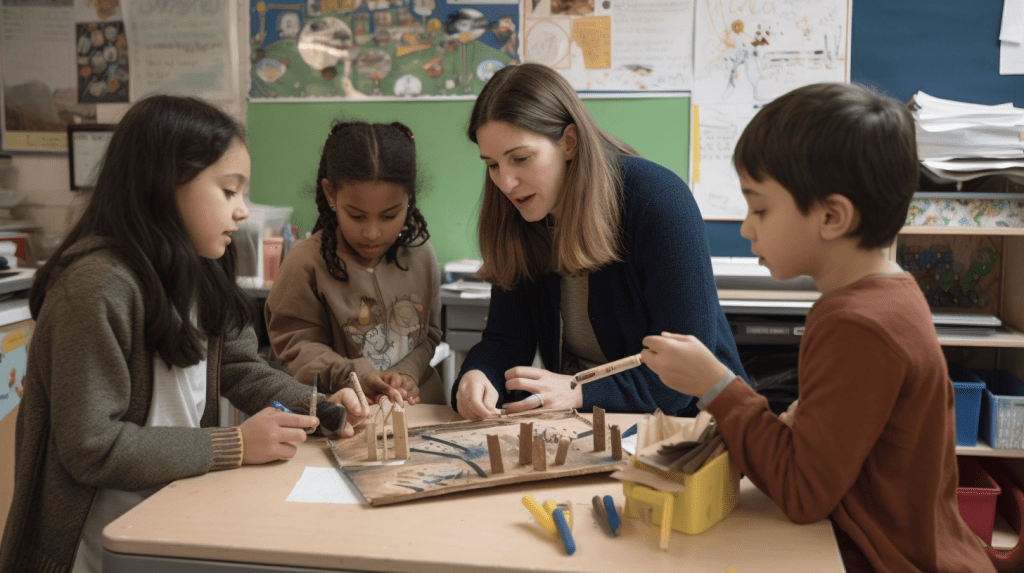
Effective Strategies for Teaching Students with Hearing Impairment
- Use of Assistive Listening Devices: Hearing aids and cochlear implants can significantly improve a student’s ability to hear. Teachers should ensure that these devices are functioning correctly and that students are comfortable using them.
- Visual Aids: Incorporate visual aids such as slides, diagrams, and written instructions to support spoken information. This provides additional context and aids comprehension.
- Clear Speech and Lip-Reading: Speak clearly and at a moderate pace. Allow students to lip-read when possible, as many hearing-impaired individuals develop strong lip-reading skills.
- Sign Language: If students are proficient in sign language, consider learning and incorporating it into the classroom. This can enhance communication and foster inclusivity.
- Captioned Videos: When using videos or multimedia, ensure that they are captioned. This helps students follow along with the content.
- Seating Arrangements: Arrange seating to minimize distractions and ensure that hearing-impaired students have a clear line of sight to the teacher, interpreter, or visual aids.
- Peer Support: Encourage peer support and understanding. Teach students about hearing impairment and the importance of inclusivity and empathy.

Teaching students with hearing impairment requires patience, empathy, and a commitment to inclusive education. By implementing these strategies, teachers can create an environment where all students, regardless of their hearing abilities, can thrive academically and socially.
Bibliography
- Marschark, M., & Spencer, P. E. (2011). The Oxford Handbook of Deaf Studies, Language, and Education, Volume 2. Oxford University Press.
- Moores, D. F. (2011). Deaf Students in Postsecondary Education: A Handbook for Faculty and Administrators. Gallaudet University Press.
- Schirmer, B. R., & Atcherson, S. R. (2016). Communication Disorders in Multicultural Populations. Plural Publishing.
 Mr Sanchez Tutoring